Author: Ellen Pisani

  • A Tour of Retirement Suites By The Lake

    A Tour of Retirement Suites By The Lake

    Retirement Suites By The Lake (RSBL) is situated close to my own home and is a landmark I have driven past countless times over the years. It is a building that has always occupied a space in my peripheral awareness, partly because I have known several peers whose parents once lived there. Through my recent engagement with the residence, I discovered that a significant majority of the residents are long-standing members of the local community. They are choosing to age in place within the neighborhood they already know and love.

    The location itself is one of its most striking features, perfectly positioned near some of the city’s most breathtaking natural spaces, including Rosetta McClain Gardens, the scenic beaches, and the Scarborough Bluffs. Beyond its geographic appeal, the building possesses a unique physical character owing to its past life as a former hotel. Walking in for my tour with Kathleen, I felt a distinct sense of both familiarity and intrigue. 

    During my visit, I also uncovered fascinating local history. The site was originally home to the historic White Castle Inn, a grand structure built in the late 1800s. Tragically, the original inn was destroyed by fire in 1955, but a new structure was quickly rebuilt on the exact same footprint. This second building ultimately evolved into the modern retirement residence we see today, carrying forward a long history of resilience and hospitality.

    The Vibrant Lifestyle: Independent Living

    There are 92 suites in total at RSBL, currently housing approximately 86 residents. About 60% of this population is in the Independent Living program. As I toured the home with Kathleen, it was immediately evident that these residents are thriving and highly active. The atmosphere does not feel like a traditional facility but rather a lively community of adults. For example, we stopped to chat with one resident who was glowing with excitement after returning from a two-week sunny vacation abroad.

    The social energy of the building was palpable throughout the tour. In the dining room, I saw staff members engaging in genuine laughter with residents as they prepared the tables for dinner. In the lounge areas, I observed groups of residents simply chatting and laughing together. In one area, a resident sat comfortably with her dog, while chatting with a friend, illustrating the pet-friendly and relaxed nature of the home. It truly felt like a place where connection is the priority, with its laid-back and inclusive vibe.

    Because the building was originally a hotel, the suites are considerably larger than the industry average. Many feature unique, non-standard layouts that you rarely find in purpose-built retirement homes. Some units include private walk-outs or balconies, and they all feel remarkably bright due to the oversized hotel-style windows. Sizes range from cozy studio suites to expansive two-bedroom, two-bathroom configurations. Every suite is equipped with individual climate controls, allowing residents to maintain their own comfort levels. Depending on the season, some residents even enjoy beautiful views of the lake.

    Dining is a central part of the experience. The community shares one main dining room with two seating times for each meal to ensure a relaxed pace. Behind the high-quality menu is Red Seal Chef Ian Purdy, who brings extensive experience from high-end resorts, luxury hotels, and his own former restaurant. He views his role as more than just cooking; he is creating a culinary community. To keep things engaging, he hosts special themed events throughout the year, such as lobster dinners, which are always a highlight.

    The pricing structure is transparent and all-inclusive. Residents pay a flat monthly fee based on their suite type, which covers all standard inclusions: three meals daily, afternoon tea, weekly housekeeping and laundering of linen, utilities, and all social activities. The daily exercise class is consistently the most popular event, reflecting the residents’ commitment to staying active. Additionally, the residence operates a van for weekly outings to local shops, buffet restaurants, and theatres.

    Care and safety are woven into the routine without being intrusive. Personal Support Workers (PSWs) are on-site 24 hours a day, and nursing staff are present daily from 7:00 a.m. to 4:00 p.m. A doctor visits twice monthly, and there is a weekly podiatrist as well as an on-site physiotherapy room. Residents may also choose to supplement their care through Ontario Health at Home or by hiring private caregivers.

    Personalized Care: Supportive Living

    As needs change, RSBL offers tailored services through their Supportive or Assisted Living tier, which currently accounts for approximately 40% of the population. This allows residents to stay in their familiar environment even as they require more hands-on assistance.

    Residents can choose extra support “a la carte,” organized into housekeeping, maintenance, and wellness. This can include daily cleaning, laundry, or practical maintenance tasks like hanging pictures. Wellness services include bathing assistance, medication administration, and dining room escorts. Unique to RSBL, PSW care is scheduled in blocks of time rather than specific tasks—for example, 15 minutes as needed or a dedicated 30 minutes daily. This provides significant flexibility for meeting individual care requirements.

    While adaptable, there are clinical limits. RSBL can accommodate a resident-provided Hoyer lift but cannot care for individuals requiring a two-person assist, feeding assistance, or secure memory care for wandering behaviours. In cases where needs exceed what RSBL can provide, they often work with McCowan Retirement Residence for higher levels of clinical care.

    Flexibility and Comfort: Short-Term Stays

    RSBL offers several short-term stay options, including respite care for surgery recovery or stays when regular caregivers are away. They also encourage “trial stays” for those considering a permanent move. There is a simple two-week minimum, which is popular for post-operative recovery. Fittingly, the residence still maintains a dedicated hotel suite for visiting guests—a charming nod to the building’s history.

    A Final Perspective: Overall Impressions

    After my visit, I read through a recent newsletter and was struck by its charm. It was filled with local trivia and quirky facts, like a column dedicated to the history of bubble wrap. This captures the essence of RSBL: a community that values lifelong learning and humour. With nightly movie screenings at 7:00 p.m., it is clear that fun and friendship are built into the very fabric of daily life at Retirement Suites By The Lake.

  • A Tour of Delmanor Wynford Retirement Home

    A Tour of Delmanor Wynford Retirement Home

    As I arrived at Delmanor Wynford, I was immediately welcomed by the concierge, who serves as a helpful presence on-site every day from 8:00 a.m. to 8:00 p.m. I was able to take some time to relax in the well-appointed lobby ahead of my tour, where I could truly admire the elegant surroundings and the warm atmosphere of the residence. Delmanor Wynford is centrally located in the heart of Don Mills, making it easily accessible via the Don Valley Parkway. However, its unique position within the valley means it is also tucked away near nature and lush green spaces. The entire environment felt remarkably serene and elegant as I began my journey through the various wings of the home. 

    A Strong Focus on Independent Living

    Currently, there are approximately 130 residents at Delmanor Wynford, and the community maintains a significant focus on Independent Living. It is a notably active home with a plethora of daily activities and numerous common areas for residents to congregate, whether they prefer indoor lounges or the beautifully landscaped outdoor terraces. Residents pay a flat monthly price that varies based on the size and layout of their suite, and this fee is quite comprehensive. It includes all chef-prepared meals, daily activities, an emergency medical response pendant, and weekly housekeeping services that also include the laundering of towels and bed sheets. 

    In addition to these standard inclusions, every resident is part of the signature LivingWell program. In this program, residents have the opportunity to meet with a dedicated life coach once per week. The coaches work closely with residents to establish personalized exercise routines and wellness goals, with a specific focus on maintaining mobility, agility, balance, flexibility, and overall stamina. This proactive approach to health can be instrumental in reducing the risk of heart disease, increasing bone density, rehabilitating chronic back pain, and minimizing the risk of accidental falls. While these coaches have strong fitness backgrounds, they also emphasize holistic well-being by providing social and emotional support. Because of this, the LivingWell program also encompasses a variety of intellectual and social events, such as guest lectures, workshops, book clubs, and art classes. It is quite apparent that at Delmanor Wynford, there is a genuine commitment to helping residents “thrive”. Everyone is encouraged to stay active and healthy, with a wide array of supports in place to make that possible. 

    Regarding health care on-site, the residence features a nursing station on the main floor that is staffed from 7:00 a.m. to 11:00 p.m. There is a professional health care team on site 24 hours per day. Some residents also receive additional care through visiting providers from Ontario Health at Home. A physician visits the community once per week, and several fee-based outside providers come in regularly to offer specialized services, including professional foot care, eye care, dental care, and hearing assessments. 

    Touring Around the Home

    As I made my way through the home, it was a delight to see the many different areas and rooms that contribute to such a full and active lifestyle. The residence was a bustle of activity; I observed residents exercising in the fitness areas, heading out to meet friends, and reading quietly in one of the many comfortable sitting areas. One popular spot is the “Pub,” where continental breakfast is served daily, along with lunch options and refreshments in the afternoon. The main dining room, which was beautifully set for lunch during my visit, offers seven distinct meal choices each day for both lunch and dinner.

    The multipurpose room is a versatile space that supports a number of activities, ranging from structured exercise programs to a gourmet demonstration kitchen where monthly cooking demos are held. In addition to the fun things to do on-site, the residence organizes four weekly bus trips, including local shopping excursions. I also learned that Tammy, the residence’s hair stylist who has been at Delmanor Wynford since it first opened, is available at the in-house hair salon three times per week. For residents who are still active drivers, reserved underground parking is available for a fee, and storage lockers are also provided for an additional charge. 

    The resident suites themselves are very well-appointed and spacious. While most are one-bedroom units, there are also one-bedroom plus den and two-bedroom options available. Each suite comes equipped with its own personal washer and dryer, as well as a full-sized refrigerator. One particularly appealing feature is that almost all units include a private balcony. Furthermore, there is a stunning rooftop terrace that includes a putting green, a bocce court, a scenic walking path, and treed sitting areas. 

    The residence even features a gorgeous movie theatre with its own in-house popcorn maker, which was about to be transformed into an Olympic viewing space when I visited. They play movies regularly, and residents even have the option to request their own favorites through Netflix. These amenities all work together to support a truly independent and fulfilling lifestyle. 

    Supportive Living

    As care needs change, residents have access to Supportive Living, where assistance is provided discreetly within the privacy of their own suites. Personal support can be added as needed, and residents typically pay for these services in increments of 15 minutes. Residents also have access to a dedicated health and wellness team to assist with personal daily living tasks, medication management, daily housekeeping, and laundry services. All care provided above what is included in the Independent Living package is offered on an a la carte basis, with several specialized packages available. 

    Residents can work closely with the nursing staff to determine their specific care requirements. While Delmanor Wynford can provide a high level of care, they cannot accommodate residents who require a two-person assist or a Hoyer lift. They do offer supports for some memory care; however, if a resident becomes unsafe or begins to wander, the staff will work with the family to transition them to a more appropriate home, such as Delmanor Elgin Mills, which specializes in Assisted Living and Memory Care. 

    Guest and Respite Stays

    Delmanor Wynford also offers short-term respite stays for individuals who need temporary support, such as those recovering from an illness or surgery. These stays include all the standard resident amenities, along with additional services like door-side medication management, 30 minutes of daily personal support, weekly bathing assistance, and personal laundry service. For those who simply want to experience retirement living before making a permanent move, the community also offers guest stays. These short-term trial stays provide a taste of the Delmanor lifestyle without the same level of clinical care included in a respite stay. 

    Overall Impressions

    I ended my tour by spending some time chatting with my guide in the Conservatory, located just off the main lobby. This is a very serene and peaceful space, with sunlight streaming in and an abundance of lush greenery. Once again, I was struck by a real feeling of comfort and elegance. I left with a deep appreciation for how the environment at Delmanor Wynford empowers residents to lead active, engaged lives where they can truly thrive in their older years.

  • A Hidden Gem in Leaside: First Impressions of The Millwood

    A Hidden Gem in Leaside: First Impressions of The Millwood

    Arriving at The Millwood Retirement Residence felt less like a formal tour and more like popping into a friend’s home. Despite driving past the building many times before, I hadn’t fully realized this boutique residence was tucked away right in the heart of Toronto’s Leaside neighborhood. It blends seamlessly with the surrounding houses, schools, and local shops, feeling deeply embedded in the community rather than set apart from it. That organic connection is likely why the atmosphere felt so warm and inviting the moment I stepped inside for my visit. It doesn’t scream “institutional facility”; instead, it whispers “neighbourhood sanctuary.”

    Deep Roots and Local Connection

    The Millwood may be intimate in scale compared to larger modern complexes, but it maintains a vibrant and significant presence in the local area. The building is 38 years old and is currently undergoing extensive renovations designed to modernize the space without causing any sense of disruption to the residents’ daily lives. The results of these updates were immediately clear as I entered the main dining room on the ground floor. I was struck by a beautiful, muted forest-scene wall covering that anchors the room, adding an instant sense of serenity and natural beauty to the space.

    The enhancements extend outdoors as well. Just off the dining room, a large new front patio is being constructed. This addition will further strengthen The Millwood’s community feel, allowing residents to sit outside and feel part of the neighborhood’s natural rhythm, waving to neighbors as they pass by. Inside, the suites are being systematically updated as they turn over, and unique new features, such as an enclosed greenhouse, are being added to the amenity list to provide year-round greenery.

    The “village” feel is more than just architectural; it is deeply social. My host, Brent, shared how The Millwood maintains a close relationship with a local elementary school just down the street. The school choir visits regularly to perform for the residents, and every October, the residence hosts a special trick-or-treat experience for the students. Because many residents originally hailed from Leaside or have family living nearby, it’s quite common to see relatives and friends drop by for a quick visit while out for a stroll. Even the house beautician is a local staple, visiting the on-site hair salon twice a week for years. It is this integration into the local fabric that makes the transition to retirement living feel like a natural next step rather than a departure from one’s life.

    Flexible Living, Clinical Excellence, and Personalized Care

    The Millwood offers 53 suites in total. Of these, 35 are dedicated to Independent Living and can accommodate a wide range of “Select Care” options as needs evolve. For example, assistance with hygiene or mobility can be added within Select Care. The studio and one-bedroom layouts are designed with a bright, airy aesthetic that makes them feel larger than their footprint. There is a high degree of flexibility here; the philosophy is to adapt the care to the resident, meaning almost any level of support can be brought directly to any suite. This ensures that residents don’t have to move just because their needs change.

    A major plus for many families: pets are warmly welcomed. The monthly fee includes the standard retirement living staples—meals, utilities, weekly housekeeping, and an emergency pendant—but it also goes a step further. The base price covers two loads of personal laundry per week and medication administration up to four times per day. It also includes one assisted bath per week, which is not common in Independent Living but is a great addition for those who may need light support with bathing. To ensure everyone is thriving, each resident undergoes a comprehensive health assessment every six months. This proactive approach allows the team to track progress and identify potential declines early, providing families with both emotional and financial lead time to prepare for changes.

    The Millwood’s Select Care (similar to what other homes call Assisted Living) allows residents to add services a la carte. These six levels of care include personal support, mobility assistance, and specialized diabetes monitoring. Residents can also layer on specific needs like oxygen management, meal escorts, or daily housekeeping. On the clinical side, the operation is incredibly sophisticated. Staff utilize high-tech medication management systems involving carts that are taken door-to-door. Each resident is photo-scanned during administration to ensure absolute safety and accuracy. To streamline this, all residents use the same pharmacy, which provides prepackaged doses for every time of day.

    Furthermore, an in-house Nurse Practitioner is available 16 hours per week and can actually take on residents as primary patients. In addition to the on-site PSWs and nurses, there is a doctor on call at all times. For those receiving support through Ontario Health at Home, The Millwood operates under a “cluster care” model, which often means the resident receives care from the same regular caregiver, fostering deeper trust. The residence is also equipped for complex physical needs, including two-person lift assists and Hoyer lifts, and they are one of the few boutique homes capable of providing G-tube feeding.

    The heart of the home is the dining room. Rather than strict, one-hour sittings, The Millwood offers two-hour windows for each of the three daily meals. This allows residents to linger over coffee and conversation without ever feeling rushed. In addition to the standard menu, there is a daily snack cart that makes its way door-to-door: a fun and unique touch that residents clearly enjoy. For those days when a resident isn’t feeling their best, tray service to the suite is provided. As part of the Select Care offerings, families can even opt for a permanent meal delivery plan if that better suits the resident’s lifestyle.

    Specialized Support and Short-Term Respite Stays

    The Enhanced Care floor features 18 suites (both studios and one-bedrooms) designed for those who require a higher level of daily support but wish to remain in the familiar Millwood environment. This floor provides more dedicated, one-on-one attention, with 90 minutes of personalized care per day included, and a focus on structured daily living that provides security and comfort. The floor has its own dedicated dining area, creating a more intimate and manageable environment for those who might find the main dining room overwhelming. Enhanced Care functions as a blend of Assisted Living and Memory Care; while it features a keypad entry to prevent wandering, it is not a fully locked unit. If a resident develops needs that require specialized, 24/7 secure Memory Care, The Millwood works transparently with the family to transition them to an appropriate home in the immediate area.

    The Millwood also prioritizes Respite Care, or short-term stays. These are ideal for seniors recovering from surgery or those who simply want a “trial run” of retirement living for a minimum of 30 days. Unlike many homes that only offer respite when they happen to have a vacancy, The Millwood maintains suites specifically dedicated to short-term stays. These rooms come fully furnished, though they generally follow a basic fee structure that does not include the higher levels of clinical care.

    Final Impressions: A True Sense of Belonging

    What truly stood out to me during my tour was the sheer adaptability of the programming and care. From the inclusion of therapy dog visits to the meticulous medication scanning system and the whimsical daily snack cart, it is clear that The Millwood is focused on meeting specific needs rather than forcing a one-size-fits-all model. I had the pleasure of meeting Ramandeep, the Activities Lead, who spoke passionately about their core strength and fall prevention exercises—the most well-attended programs on the calendar. And, of course, there is the famous “Thursday Afternoons at the Opera,” which adds a touch of culture and elegance to the week. As I left, I passed a beautiful balloon arrangement from the previous day’s birthday party. The Millwood celebrates all birthdays for that month with one big community bash. It was just one more indication that this isn’t just a place where people live: it’s a place where they are celebrated as part of a family.

  • Small Home, Big Heart: A Visit to Alexis Lodge

    Small Home, Big Heart: A Visit to Alexis Lodge

    You cannot talk about the magic of Alexis Lodge without first talking about its visionary founder and director, Christiana Egi. The unfiltered passion she has for Alexis Lodge is like no other I have encountered. She told me during our conversation that she effectively “eats and breathes dementia,” and that reality quickly became very clear to me. Arriving at Alexis Lodge didn’t feel like walking into a healthcare facility; instead, it felt like I was attending a warm family party in a loved one’s house, with plenty of dancing, laughing, and celebrating. My visit came on the heels of a monthly visit from dancers with Canada’s National Ballet School, and also in attendance were the local Member of Provincial Parliament and other community members. I was immediately welcomed by everyone and encouraged to interact with all the guests. It didn’t take me long to understand that Alexis Lodge is a very special place that prioritizes human connection over clinical protocol.

    Beyond the Institution: A Place That Feels Like Home

    Alexis Lodge first opened in 1999, and it is a small retirement living home located in Scarborough that is dedicated solely to people living with dementia. It is unlike any of the other homes I have visited, starting with the physical building itself. The residence consists of two houses sitting side by side which are attached but currently not connected on the inside. At one point in their history, they would’ve had families living in them and Alexis Lodge continues that authentic family feeling today. One house accommodates ten residents and the other houses eleven residents.

    Each house is similar to a typical family home in that the residents have their own private bedrooms, then there are communal spaces for everyone to enjoy together: one bathroom per one or two residents, a shared kitchen, multiple sitting rooms, and a central dining room. The bedrooms are various sizes, shapes, and styles, and the residents are always welcome and encouraged to decorate them to make them feel like their own. There is also a spacious backyard which I could imagine being a very popular spot in the warmer months for gardening or fresh air, despite it being covered in a thick layer of snow when I visited. Most of the bedrooms are located upstairs; however, there are a limited number of bedrooms on the main floor which would be suitable for residents with mobility restrictions as there is currently no elevator at Alexis Lodge.

    Dignity Without Deadlines: A Radical Approach to Care

    Alexis Lodge provides specialized Memory Care to all of its residents and the approach to care is truly person-centered. There is no “one size fits all” method of caring for the residents and there are no strict or rigid schedules that must be followed. The pricing structure is such that it is total care for everyone and the care price is completely all-inclusive from day one. The total cost is much less expensive than Memory Care found elsewhere, and once a resident moves in, their monthly fees will never increase for the duration of their stay. This is just one example demonstrating Christiana’s deep passion for meeting the needs of the residents and treating them like family.

    There is a dedicated doctor who comes to the home once per month and is also available on call 24 hours per day. For those residents who are accessing care from Ontario Health at Home, Alexis Lodge has a cluster care model whereby there is one PSW from OHH assisting the staff with providing care to the residents. There is a consistent staff presence at all times, including the head cook who has been with Alexis Lodge for almost 20 years! She is responsible for making all the food for the residents with the help of other staff and even some residents, ensuring it is safe and dignified for them to do so. This is a prime example of making sure the residents are stimulated and participating in daily activities that interest them. The staff members speak a wide variety of languages, which makes Alexis Lodge uniquely welcoming for residents of various cultural backgrounds. Of course, the spoken language isn’t the only way they communicate. They also communicate love through everything they do: dance, sharing food, activities, smiles, and physical hugs.

    In terms of the activities for the residents, I was very impressed with the flexibility offered. The residents congregate in the shared spaces as they please and are free to come and go into their bedrooms at any time. This approach really caters to the individual needs and whims of the residents. For example, there are set meal times; however, there is flexibility in terms of when people actually eat. If someone wants to sleep in and not come to breakfast right away, then that is completely acceptable and they can have their food whenever they are ready. Christiana and the rest of the staff set the tone in the home with plenty of dancing, games, and laughter, but they never force anyone to participate. It is guided by what the residents want to do – I saw two women sitting at the dining room table together looking at photos, while others were watching TV in the living room and others were simply up and about.

    Most of my time at Alexis Lodge was on one side of the house, but when I visited the second side, it also felt like a true home. One resident was napping peacefully on the couch while others were watching television. I had a lovely chat with another who told me about his time as a teacher many years ago, and another resident had written several books. It was a reminder that these are people with interesting and full lives and that we must not let the dementia diagnoses define who they are. 

    As care needs increase, Alexis Lodge is able to provide palliative and comfort care, including IV care with support. They have one Hoyer lift for residents with mobility challenges, though they cannot support G-tube feeding. If a resident has to go to the hospital for more acute care, Alexis Lodge is still there for them. Christiana makes daily visits to see the residents in hospital and is always a fierce advocate for them to return home to Alexis Lodge as soon as appropriate. Respite care is also provided at Alexis Lodge when they have a room available, for a minimum of one month.

    Overall Impressions of Alexis Lodge: Final Thoughts on a Special Community

    I was very fortunate to spend plenty of time with Christiana which allowed me to learn about her background and the long history of Alexis Lodge. Her commitment and passion for caring for people with dementia is truly admirable and rare. She lit up when telling me about past residents and their personal stories, just like she was talking about her own family members. And some of the families have become like family to her now, even long after the resident has passed away. Christiana writes books and speaks at events of her dreams for the future in which this home-like care can be brought to more people. I learned on my visit that Alexis Lodge is also a training ground for new PSWs—this is a testament to the amazing, outside-the-box care that they provide and it’s important for people learning about dementia care to keep an open mind in terms of the approach to care. While Alexis Lodge is very small compared to other retirement homes, the care provided is like none other. As they say on their website, “Small Home. Big Care.” and this is exactly my feeling after visiting Alexis Lodge.

  • More Than a Community: A Visit to Scarborough Retirement Residence (SRR)

    More Than a Community: A Visit to Scarborough Retirement Residence (SRR)

    Walking into Scarborough Retirement Residence (SRR) feels like entering a bustling, welcoming family home. From the moment you cross the threshold, the atmosphere is set by the sound of music and the gentle hum of friends chatting in the lobby. Throughout my visit, that feeling of home was reinforced by every architectural detail: the warm wood features, the cozy nooks, and the double-sided aquarium that serves as a tranquil focal point in the dining room. The environment is active yet remarkably calm and there is a palpable sense of community—or more accurately, a sense of family. 

    This isn’t accidental; SRR is built on a foundation of multi-generational dedication. Opened in 1988 by Marie-Paula and Fred Lafontaine, the residence has remained family-run for over three decades. Today, their daughter, Marie-Josee Lafontaine, serves as President, carrying forward a legacy that began in 1959 when the family obtained the very first license to operate a long-term care home in Ontario. In a moving testament to their commitment, Fred Lafontaine himself is now a resident at SRR. Seeing the founder choose his own residence for his senior years is perhaps the ultimate endorsement of the care provided here.

    Independent Living with “Assistive Services”

    The physical layout of SRR is designed to cater to diverse lifestyles, boasting 124 suites with 18 different floor plans. Whether a senior is looking for a compact, efficient studio or a spacious one-bedroom suite with a private balcony, there is a layout to suit their preference. Recognizing that pets are family too, SRR is a pet-friendly community (with some standard restrictions), ensuring that residents don’t have to leave their beloved companions behind.

    While many move to SRR for Independent Living, the residence excels in its ability to adapt as care needs evolve. The “Assistive Services” model allows residents to age in place gracefully. Unlike many facilities where a change in health requires a move to a different wing, SRR prioritizes providing care in the privacy and dignity of the resident’s own suite. In addition to the nurses and PSWs on staff 24 hours per day, there is a visiting doctor once per week. SRR is particularly unique in its integration of a Nurse Practitioner (NP) who visits three times per week. Another standout feature is the in-house physiotherapy program, allowing residents to maintain mobility by simply taking the elevator downstairs rather than traveling to an off-site clinic.

    The Vitality Score: A Proactive Approach to Health

    As is required by all retirement homes in the province, SRR performs health assessments on the residents upon entry and every six months afterwards to ensure their needs are being met. However, SRR goes a step further in their approach. Using a standard frailty scale during these assessments, the residents are given a “Vitality Score.” This score is a proactive way to monitor health trends and determine exactly which additional care services a resident may require to maintain their independence. This score directly informs the “package plus” pricing model used at the residence. The base package varies by suite type and includes standard essentials: all chef-prepared meals, weekly housekeeping, 24-hour café access, social activities, and a fitness room. If the Vitality Score indicates a need for more hands-on help, an additional monthly cost is added based on the total hours of care required, rather than being broken down by individual service fees. For those qualifying for care through Ontario Health at Home, SRR utilizes a “cluster care” model, ensuring consistent PSWs from the same outside agency visit the home for better continuity of care.

    Premium Care Suites: Adapting for the Future

    As the local population ages and needs become more complex, SRR is adapting its model to fill the gap often left by long-term care waitlists. The suites on the 2nd floor are gradually being transitioned into Premium Care Suites, which include specialized retrofitting such as walk-in showers and resilient flooring designed for safety and mobility aids.

    Residents in Premium Care require the highest level of assistance SRR can accommodate, which often includes an increase in nursing oversight and, in some cases, palliative care. The floor is equipped with Hoyer lifts to safely support residents with very limited physical mobility. It is important to note for families that while this provides a high level of clinical support, it is not a secured unit; therefore, SRR cannot accommodate residents with exit-seeking behaviours or those with advanced dementia.

    Respite Care: The “Short Stay” Advantage

    For families who are hesitant about the transition to retirement living, SRR offers Respite Care, or “short stays.” This is an excellent “try before you buy” option for people who are apprehensive because they don’t quite know what to expect from a retirement community. These stays are also an essential resource for those recovering from surgery who need professional monitoring, or for seniors whose regular family caregivers are temporarily unavailable. With only a two-week minimum commitment (subject to suite availability), it provides a low-pressure way to access the residence’s full suite of amenities and professional care. It allows the senior to integrate into the social fabric of the home, often making the eventual permanent transition much easier.

    Unique Offerings and a Resident’s Choice Philosophy

    As I toured the grounds with Maureen, the “Resident’s Choice” philosophy was on full display. The Life Enrichment Program is remarkably extensive, featuring unique exercise classes like Drum Fit and Tai Chi. Many of these offerings began as direct suggestions from the residents themselves. One tradition that truly stood out was the annual professional photoshoot. Residents dress up and pose according to a yearly theme, such as “We Are Family” or “A Year at the Movies.” These portraits are later enlarged to adorn the walls of the activity room and hallways, and the community even votes on their favourites to be included in an annual wall calendar.

    The dining experience is equally thoughtful. The main dining room accommodates residents in two stages to ensure a relaxed, unhurried atmosphere. There is a specific section reserved for Premium Care residents who may require more time or physical assistance with their meals. Safety is integrated even here: if a resident is expected at a meal and doesn’t show up, staff can use the 2-way communication pendant system to connect directly to the resident’s room to check on their well-being. Furthermore, every month features a “Chef’s Table” event for a specific floor, where the chef creates a gourmet meal for a small group in the private dining room, fostering closer bonds between neighbors.

    Volunteerism also plays a big role in the culture. Residents run the tuck shop and act as “Floor Ambassadors” to welcome newcomers. In the craft room, I was in awe of the “Milk Bag Project,” where residents repurpose plastic milk bags into waterproof sleeping mats for people experiencing homelessness. It’s a beautiful example of how SRR residents remain deeply connected to the broader community.

    Overall Impressions

    SRR stands out because they truly think outside the box to listen to their residents. The spirit of being family-run is demonstrated in the way staff members treat their roles as more than just a job. For example, Maureen hosts a weekly meetup just to discuss the latest plot twists on Coronation Street, and “Timmie’s Tuesdays” ensures every resident enjoys fresh coffee and baked goods from Tim Hortons once a week. When I mentioned in my opening that I felt a strong sense of family, I hadn’t yet seen their website. I later found the quote “Committed to being more than a community. We are like family” and it confirmed my experience. At SRR, they aren’t just providing a room and care; they are successfully making a true family feeling come alive every single day.

  • A Deep Dive into McCowan Retirement Residence

    A Deep Dive into McCowan Retirement Residence

    A Deep Dive into McCowan Retirement Residence – A Retirement Community That Feels Like Home

    From the moment I met with my hosts, Lesley and Sandra, it was immediately apparent that McCowan Retirement Residence is a community built on a foundation of genuine human connection. Throughout my visit, I was struck by the profound level of compassion that permeates every aspect of the home. As I toured the home with Lesley, we frequently crossed paths with various team members. In many environments, these encounters might feel routine, but here, the passion was palpable. Whether it was a quick smile in the hallway or a brief chat about a resident’s day, it was clear that the staff doesn’t just work at McCowan but they belong there.

    A Seamless Approach to Aging in Place

    The foundational philosophy at McCowan is a commitment to aging in place. This approach begins with Independent Living. The residence welcomes those who may not yet require daily medical intervention but are perhaps on the brink of needing support. By moving in early, these seniors can establish their social networks and familiarize themselves with the environment.

    What truly impressed me was the “all-eyes-on-board” vigilance of the staff. Beyond the regular formal assessments conducted by the clinical team, every employee is involved in monitoring the residents’ well-being. This collaborative culture is formalized in daily meetings where any team member can contribute. For example, a member of the housekeeping team might notice that a resident hasn’t been taking their medication. By bringing this to the daily meeting, they ensure that a potential health issue is caught early.

    Assisted Living and Enhanced Care

    The 2nd, 3rd, and 4th floors of the residence are primarily dedicated to Assisted Living, featuring approximately 31 suites per floor. These floors are designed to foster a sense of neighborhood with common areas on each floor. Residents here enjoy their meals at set seatings in the main dining room on the ground floor. Arriving just before the lunch hour provided a window into the daily life of the community. I saw residents gathered in the “congregation area” outside the dining room which is a thoughtful feature that prevents crowding and encourages socializing. For those days when a resident is feeling unwell or is bed-bound, McCowan ensures they are never forgotten; hot, fresh meals are delivered directly to their suites.

    The clinical support at McCowan is robust and forward-thinking. Care is provided in the privacy of the residents’ rooms, supported by two nursing stations. One exciting development I learned about is the home’s process of obtaining an on-site mobile X-ray machine. This innovation will provide convenience, allowing for diagnostic imaging without the trauma and exhaustion of a trip to a hospital emergency room or clinic. Furthermore, McCowan has embraced a “cluster care” model for those receiving services from Ontario Health at Home. Instead of a revolving door of different agency staff, services are provided by a consistent team of PSWs who work within the home. This is supplemented by a visiting doctor who arrives weekly, alongside a suite of external providers including dental hygienists, foot care nurses, and hearing aid specialists.

    The general pricing model at McCowan Retirement Residence is a Package price plus A La Carte services. The package includes the standard things such as meals, snacks, weekly housekeeping and laundry, daily recreation programs, and a 24 hour health team and emergency call system. For Assisted Living residents there are a few additional services included. For those requiring even more support, the home offers Enhanced Care. Depending on the specific needs of the individual there are Enhanced Care options within all facets of care including medication administration, ambulation, continence, and personal care. The resident can seamlessly move from Assisted Living to Enhanced Care as the additional services can be provided in the same suite. The home has one Hoyer lift per floor so is well equipped to help residents with limited mobility. They are also equipped and experienced in providing palliative care to those residents at end of life. 

    The Lifestyles and Engagement Program

    A highlight of my tour was meeting Mary, the Lifestyles Manager. Within minutes of chatting, it was obvious that Mary views her role as a calling rather than a job. Her enthusiasm for creating a vibrant life for the residents is infectious. Mary’s programming is notably diverse, ensuring that weekends are just as engaging as weekdays. She is a firm believer in intergenerational connection, frequently bringing students on board and seeking out new community partnerships. One of her most cherished traditions is the creation of a custom wall calendar each year. Using a “collage style” filled with photos of the residents from the previous year, the calendar acts as a community yearbook. It is a tangible celebration of the lives being lived at McCowan, serving as both a functional tool and a cherished memento for the residents.

    Memory Care, Memory Lite, and Respite Care

    On the 6th floor, McCowan operates a dedicated Memory Care unit for 28 residents. This is a secure environment designed for those who may wander or seek exits, meaning a code or key is required to enter or exit the unit. This level of security prevents residents from leaving on their own, however, they are free to move about within the unit. While the unit is secure, the atmosphere is far from clinical. The common areas are decorated with bright, stimulating colors and imagery of the local community to help with “wayfinding” and cognitive anchoring. The staff on this floor are highly specialized, trained in Gentle Persuasion Approaches (GPA) and other approaches to dementia care. These techniques allow the team to look beyond “sundowning” or challenging expressions to understand the unmet emotional or physical needs driving the behavior.

     During my visit, the common room was a hive of activity. A table of residents was happily engaged in colouring, showing a wide range of abilities and social styles. I spoke with Dev, the recreation staff member on duty, who enthusiastically explained McCowan’s philosophy of mind and body stimulation. While the TV might play a musical show in the background, the real hits are physical comedies like I Love Lucy, which transcend cognitive barriers through slapstick and visual humor. The team also utilizes portable ovens for baking, as the scent of freshly baked items often triggers powerful, positive emotional memories.

    For those who have a dementia diagnosis but do not yet require a secure environment, McCowan offers Memory Lite on the 5th floor. This non-secure level of care is a perfect “middle ground,” providing extra cueing and support without the restrictions of a locked unit. Unlike the Memory Care unit on the 6th floor, this unit does not require a code or key for entry/exit. The pricing for Memory and Memory Lite is also a Package plus A La Carte model. Their Memory Lite package includes things that are not part of the Assisted Living package, and the Memory Care package includes even more. At each level, there is the option to add services. 

    A truly unique feature is their Respite Care program. Unlike many homes that only offer respite for independent living, McCowan offers short-term stays across all levels, including Memory Care. This is an invaluable resource for family caregivers who need a temporary break.

    Overall Impressions

    Built in 2004 and housing 155 suites, McCowan Retirement Residence is part of a small Canadian operation, Metta Lifestyles, who own just four homes. In addition to the team members already mentioned, I was struck by my chance meeting with the Food Service Manager, Kwasi. He is new to McCowan Retirement Residence but one thing he clearly understands is that food is a vital form of care. He might be new at McCowan but he is certainly not new to the food world – he was a candidate on MasterChef Canada in 2015! It is clear that he is excited to make his mark at McCowan and bring in his creativity in order to meet the dietary needs and preferences of the residents. To me, Kwasi demonstrated the general feeling I got at McCowan – pay attention to the needs of the residents, treat them with respect, and always be ready to adapt to the needs of the day.

  • A Journey Into Community: My Visit to Presentation Manor

    A Journey Into Community: My Visit to Presentation Manor

    Introduction: A Symphony of First Impressions

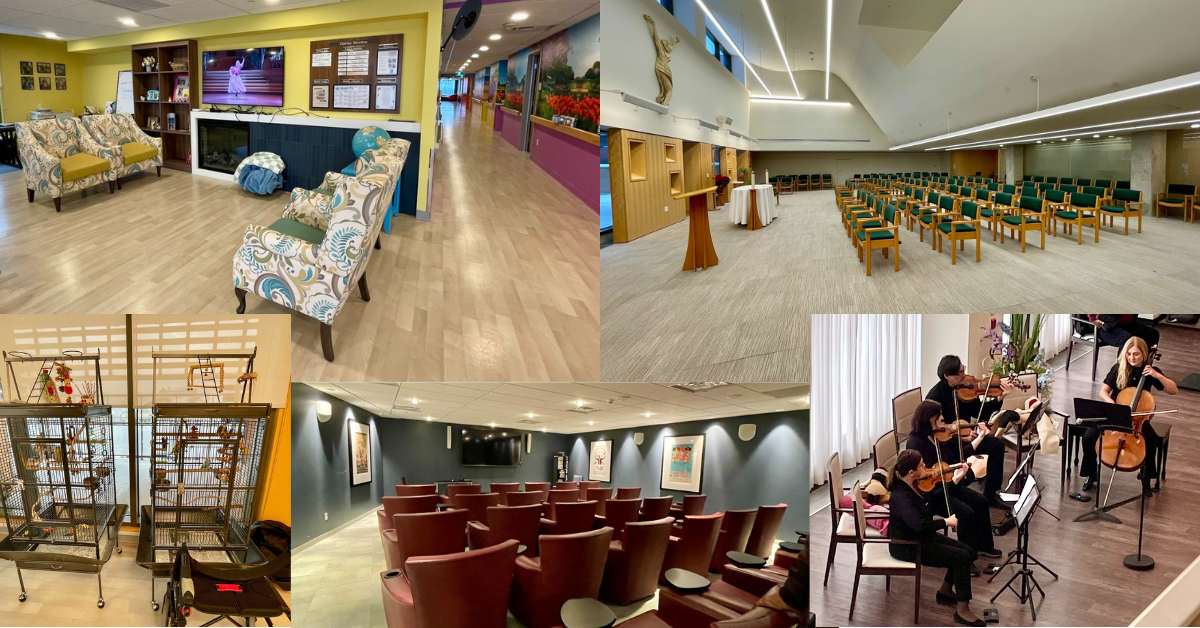
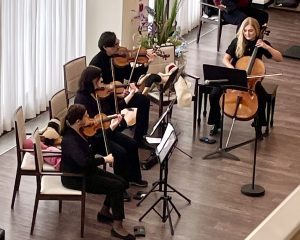
    As I sat in the lobby ahead of my tour, the air filled with the swell of live classical music drifting up from the grand room below. A quartet consisting of three violinists and a cellist was performing a vibrant repertoire ranging from Vivaldi to ABBA. Complete with puppets for a few lighthearted laughs, it was a worldly and whimsical performance that set a joyful tone for the day. While taking in the music, I immediately noticed the thoughtful layout of the space around me. With various seating areas, a large stone fireplace and plenty of room to move, it felt both grand and homey. As this was my first official tour of a retirement community, I was not entirely sure what to expect. I took the opportunity to simply soak in the cheerful atmosphere and observe the daily rhythms of the house. 

    Independent Living at Presentation Manor: Autonomy and Resident-Led Vitality

    As I began the tour with my host, Bremen, I had a real sense of the social fabric of the home. He stopped to say hello to many of the residents and it was clear he knew them personally. The majority of the residence is dedicated to Independent Living and consists of 178 suites, ranging from 325 square foot studios to expansive 749 square foot two-bedroom apartments. 

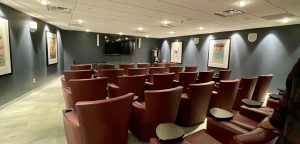
    Life here is defined by what I observed as resident-led vitality and autonomy. One of the best examples of this is the tuck shop. It is entirely run by the residents themselves and the money earned goes directly back into home initiatives that the residents decide upon together. There is also a gorgeous media room where movies are shown and the space also doubles as a lecture hall. I was told that talks are often held there by residents who are former professors. The room itself is quite inviting. The comfy leather chairs and dim lighting made me think it would be a perfect spot for an afternoon nap between social events.

    For those in Independent Living, the package is comprehensive. It covers three meals per day, weekly housekeeping, and well-being monitoring. Residents who need a little extra help can pay for services a la carte. You can pay for a variety of services you may need, including continence care, mobility assistance and help with medications. For those receiving care through Ontario Health at Home, the providers come directly to the suites. 

    Assisted Living at Presentation Manor: Personalized Support with a Private Touch

    The home features 51 Assisted Living suites. While the physical rooms look like the Independent units, the experience is tailored for those who need more support throughout the day. One detail I found particularly thoughtful was the dining arrangement. Instead of the large and bustling main hall, Assisted Living residents have their own separate dining rooms. These are much smaller and serve approximately 12 residents each and are spread out throughout the Assisted Living area. Each of these dining rooms has its own lounge and even its own outdoor terrace. This means residents do not have to travel far to enjoy some fresh air or a change of scenery. I also learned that if a resident is feeling under the weather, the home offers a complementary tray service for up to three days. The staff can even support complex needs like Hoyer lifts. This essentially means they can provide almost complete care as a resident’s needs change over time. Care can be provided almost “everywhere and anywhere” with nursing stations on each floor and/or care providers coming to the rooms. To maintain the homey feel I noticed in the lobby, they purposefully avoid dispensing medication in the main dining room. They do not want a clinical feel to interrupt the social enjoyment of a shared meal. In Assisted Living, many care services are part of the monthly package, and additional services can be added as needed.

    Memory Care at Presentation Manor: A Sanctuary of Seasons and Nostalgia

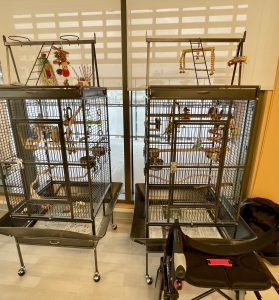
    The Memory Care wing is a self-contained sanctuary with its own dedicated elevator. Walking into this section, I was struck by how warm and welcoming it felt. It did not feel like a unit in a hospital. It felt like a friend’s house. The communal kitchen and dining area has its own terrace and two pet birds who cheerfully sang as we entered.

    The design here is incredibly thoughtful. The common areas have a decor reminiscent of decades past and the hallways are painted in colours and designs correlating to the four seasons to help with navigation. Each resident’s door is painted differently. There are even plans to have them painted to match the front doors of the residents’ former homes to provide a sense of recognition. I was also surprised by the size of the Memory Care suites. They are large enough that there is plenty of room for overnight guests, who are welcome to stay on cots provided by the home. Because moving into Memory Care is such a significant life change, the manor offers a 30-day trial stay. It is one of the many ways they clearly work in the best interests of the families during a difficult transition. The care services that are included in Memory Care are quite extensive and generally adhere to an all-inclusive model of pricing, with some very personalized support for an additional fee.

    Overall Impressions: An Inclusive Village

    My tour concluded back in the grand room from which I had first heard the music. This room is the main dining hall and it is beautiful. With soaring high ceilings and gorgeous natural light pouring in from floor-to-ceiling windows, it is a stunning space that feels both elegant and inviting. The home itself is a low-rise building spread over a lovely property. This architectural choice prevents it from ever feeling institutional or cold.

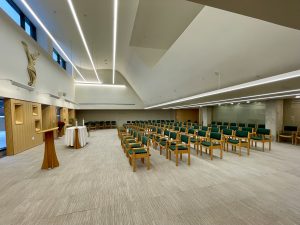
    One cannot talk about this home without mentioning the chapel. Custom-built for the manor, it is a beautiful and large space that highlights how important spiritual care is here. It makes sense given the number of residents who are retired clergy members. However, the home remains incredibly inclusive. They welcome people of all religions and ethnicities. They even have a world map on display showing that the residents have roots in many countries around the world. Seeing that global representation really drove home the sense of community. Being an independent non-profit retirement home, Presentation Manor seems to have the freedom to be creative and adaptive. The focus is always on the person. It is a place that strives to be more than just a residence. It is a place that strives to be a true home.