Category: Caregiver

  • Celebrating Seniors Month 2026: Where You Can Find Elderado In June

    Celebrating Seniors Month 2026: Where You Can Find Elderado In June

    June is Seniors Month in Ontario, a time to celebrate the contributions of older adults and connect people with the programs, services, and resources that support healthy aging.

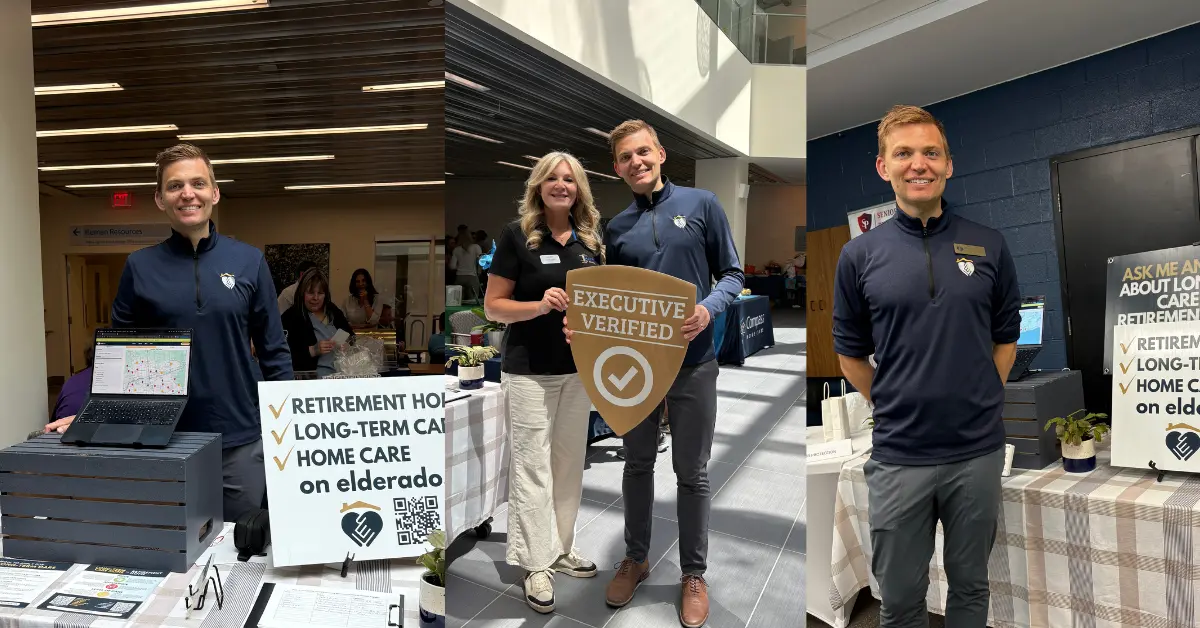
    At Elderado, Seniors Month is always one of our busiest and most rewarding times of the year. Throughout June, we’ll be attending health fairs, educational events, conferences, webinars, and community gatherings across Ontario to help older adults and family caregivers learn more about retirement homes, long-term care, home care, and elder care planning.

    Whether you’re supporting an aging parent, planning for your own future, or simply looking for local resources, we’d love to meet you.

    Here’s where you can find us this month.

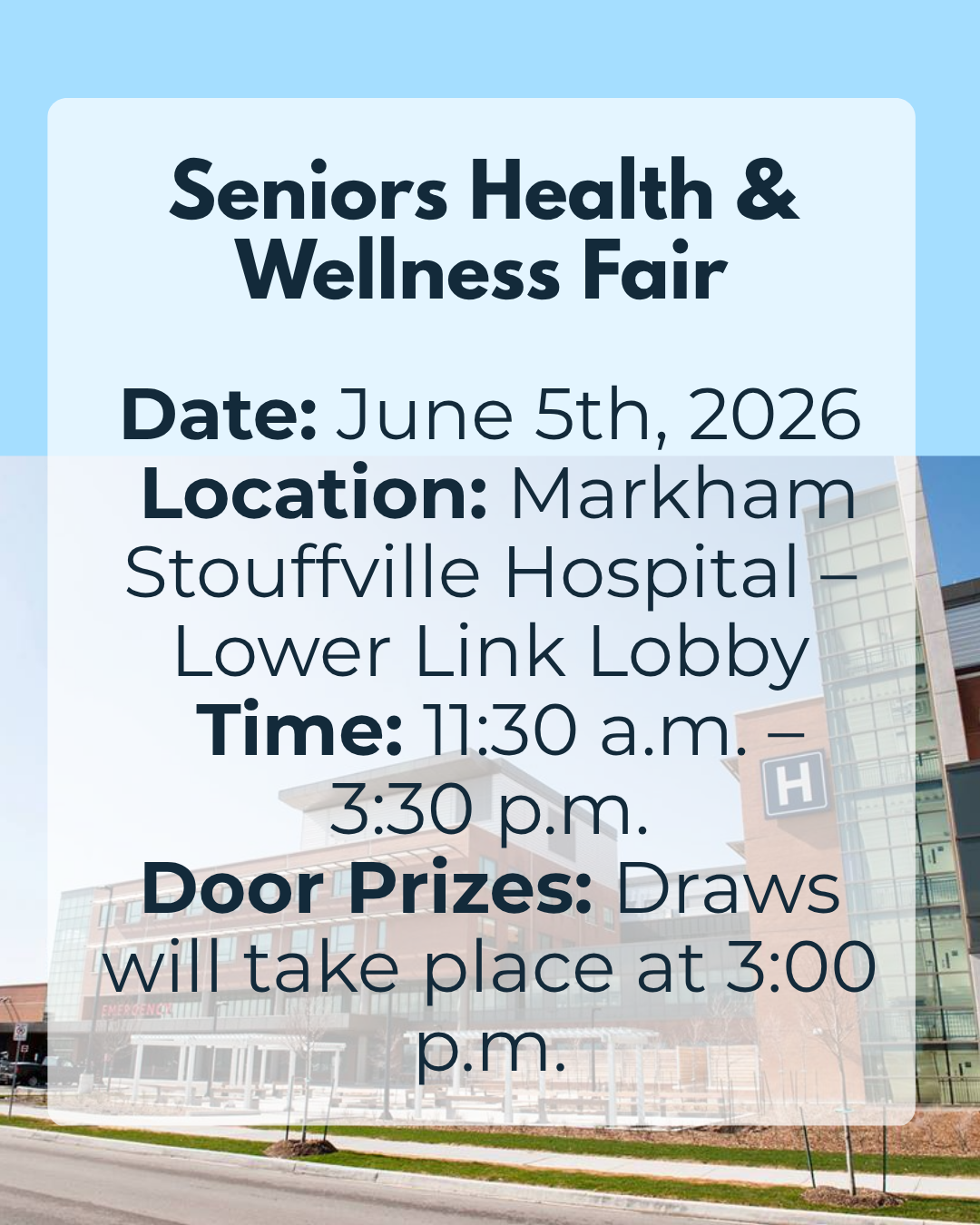
    June 5: Seniors Health & Wellness Fair

    Markham Stouffville Hospital, Markham

    We’re kicking off Seniors Month at Markham Stouffville Hospital’s Seniors Health & Wellness Fair.

    This event brings together healthcare providers, community organizations, and local services that support older adults and caregivers. We’ll be there sharing information about retirement homes, long-term care, home care, and elder care navigation resources.

    June 6: Not Another Seniors Expo

    Delpark Homes Centre, Oshawa

    Not Another Seniors Expo takes a fresh approach to connecting older adults with community resources, businesses, and organizations serving seniors across Durham Region.

    If you’re attending, stop by and say hello.

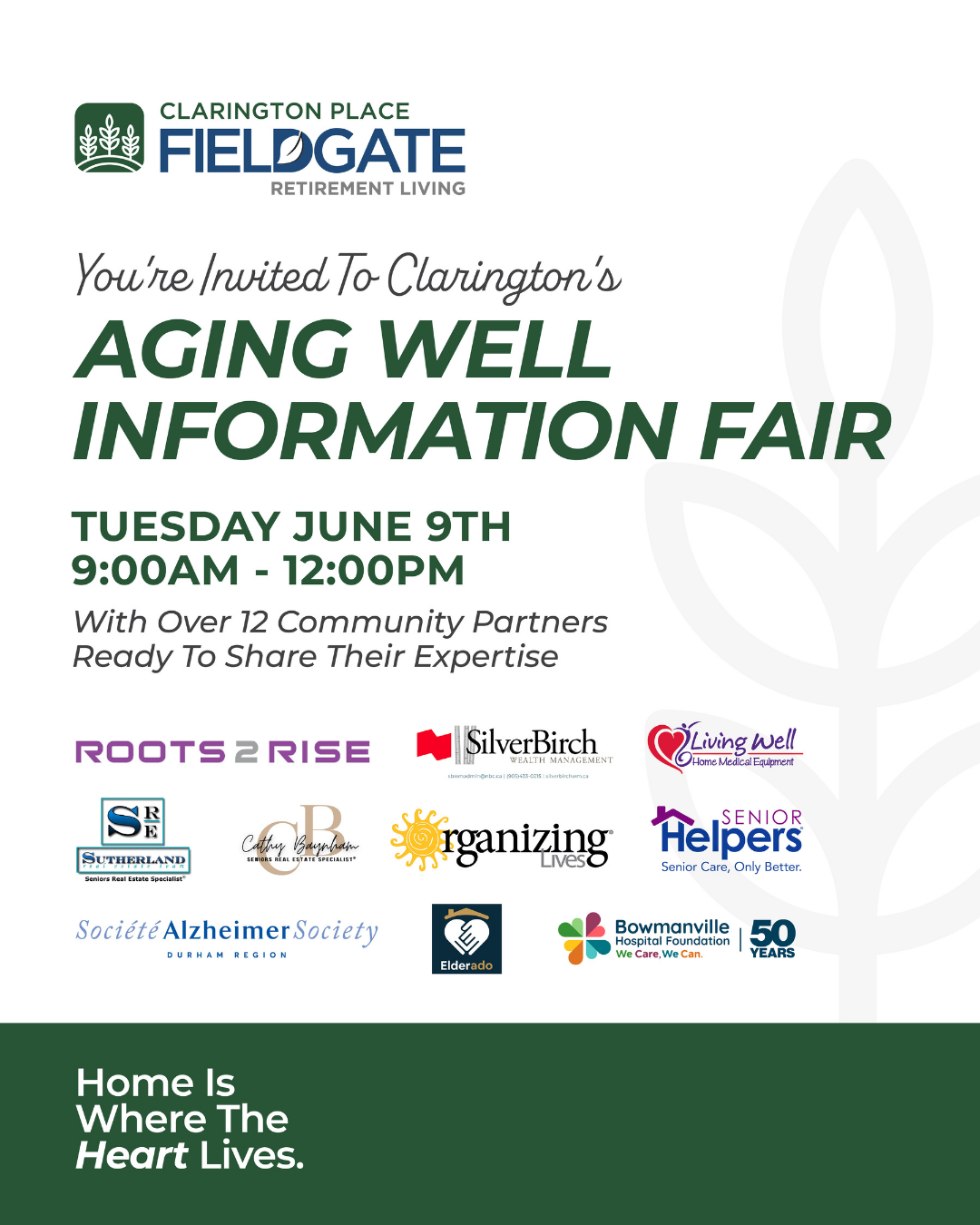
    June 9: Aging Well Information Fair

    Clarington Place Retirement Home, Clarington

    The Aging Well Information Fair is focused on helping older adults and families learn about the services available in their community.

    We’ll be available presenting on the difference between long-term care and retirement homes, and answering questions about senior living options.

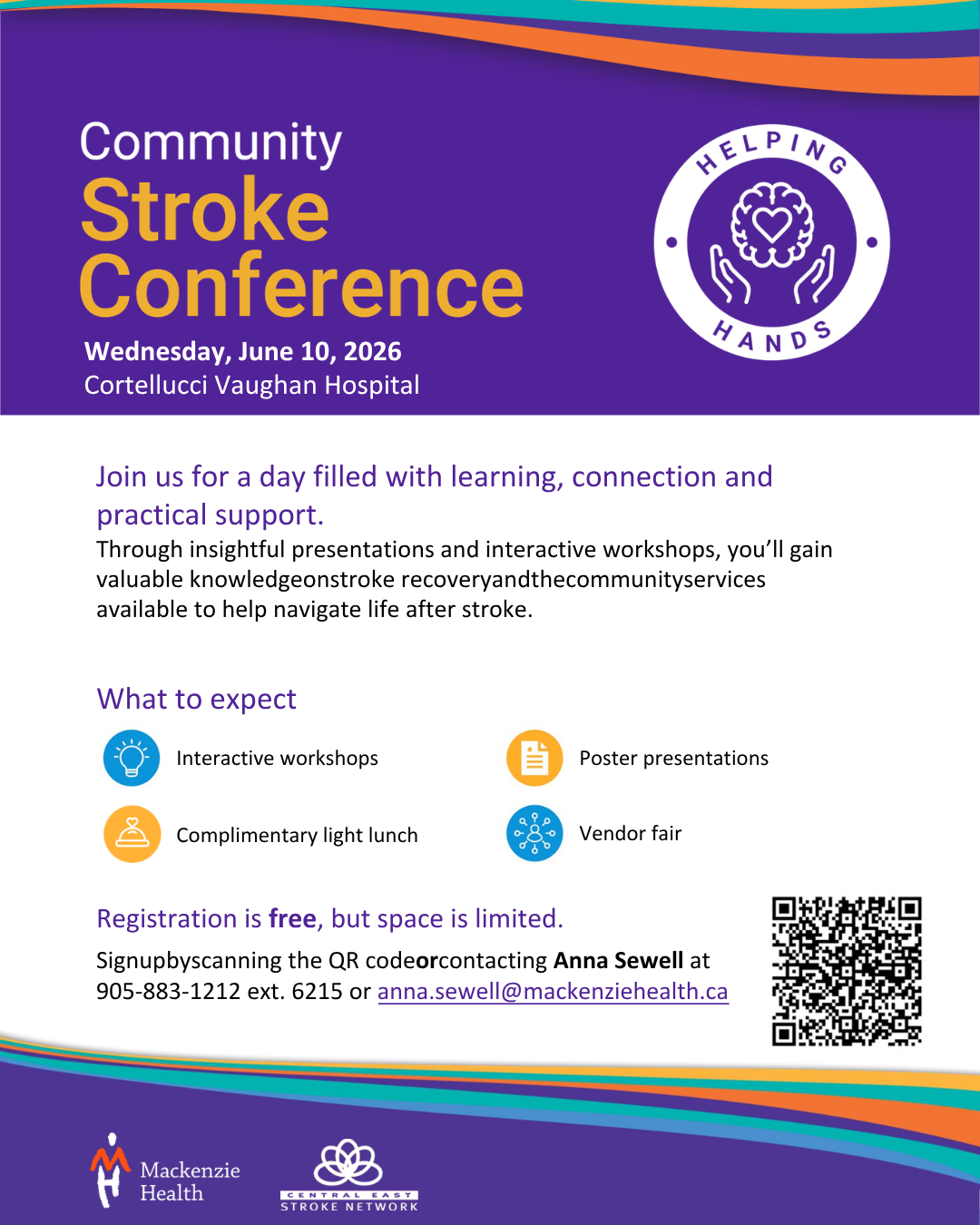
    June 10: Community Stroke Conference

    Cortellucci Vaughan Hospital, Vaughan

    We’re honoured to participate in the Community Stroke Conference at Cortellucci Vaughan Hospital.

    Recovering from a stroke often leads families to ask important questions about housing, rehabilitation, home care, and long-term support options. We’ll be sharing information and resources that can help families navigate those decisions.

    June 11: Coffee Connections

    North Thornhill Community Centre, Thornhill

    Coffee Connections brings older adults together to learn about community resources and connect with others in a welcoming environment.

    We’ll be there to discuss elder care planning and answer questions from attendees.

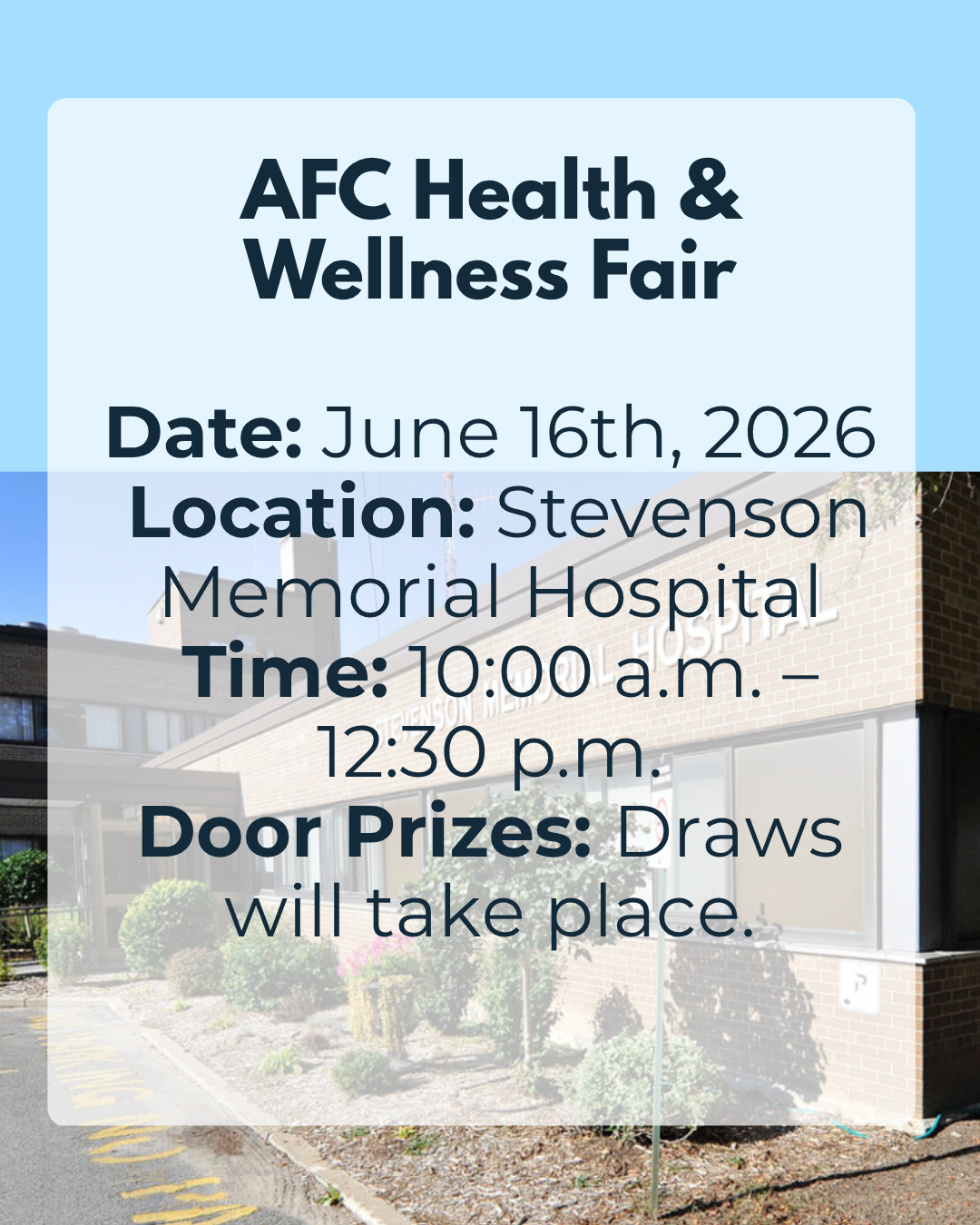
    June 16: AFC Health & Wellness Fair

    Stevenson Memorial Hospital, Alliston

    We’re excited to join the AFC Health & Wellness Fair at Stevenson Memorial Hospital.

    Events like these provide valuable opportunities for families to discover local programs and services that can help them age well and remain connected to their communities.

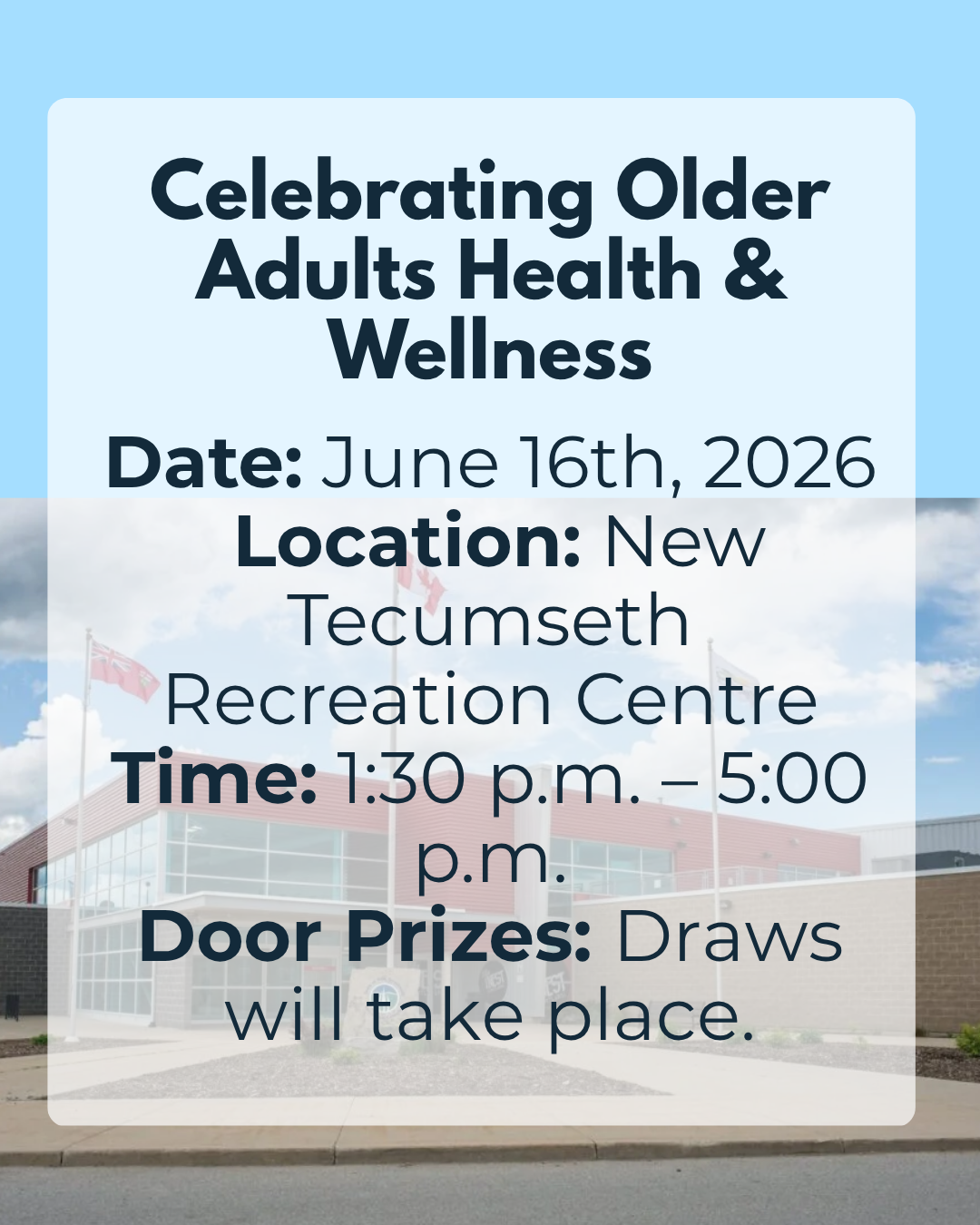
    June 16: Celebrating Older Adults Health & Wellness

    New Tecumseth Recreation Centre

    Later that same day, we’ll be joining the Celebrating Older Adults Health & Wellness event in New Tecumseth.

    This event focuses on healthy aging, community engagement, and connecting older adults with local resources.

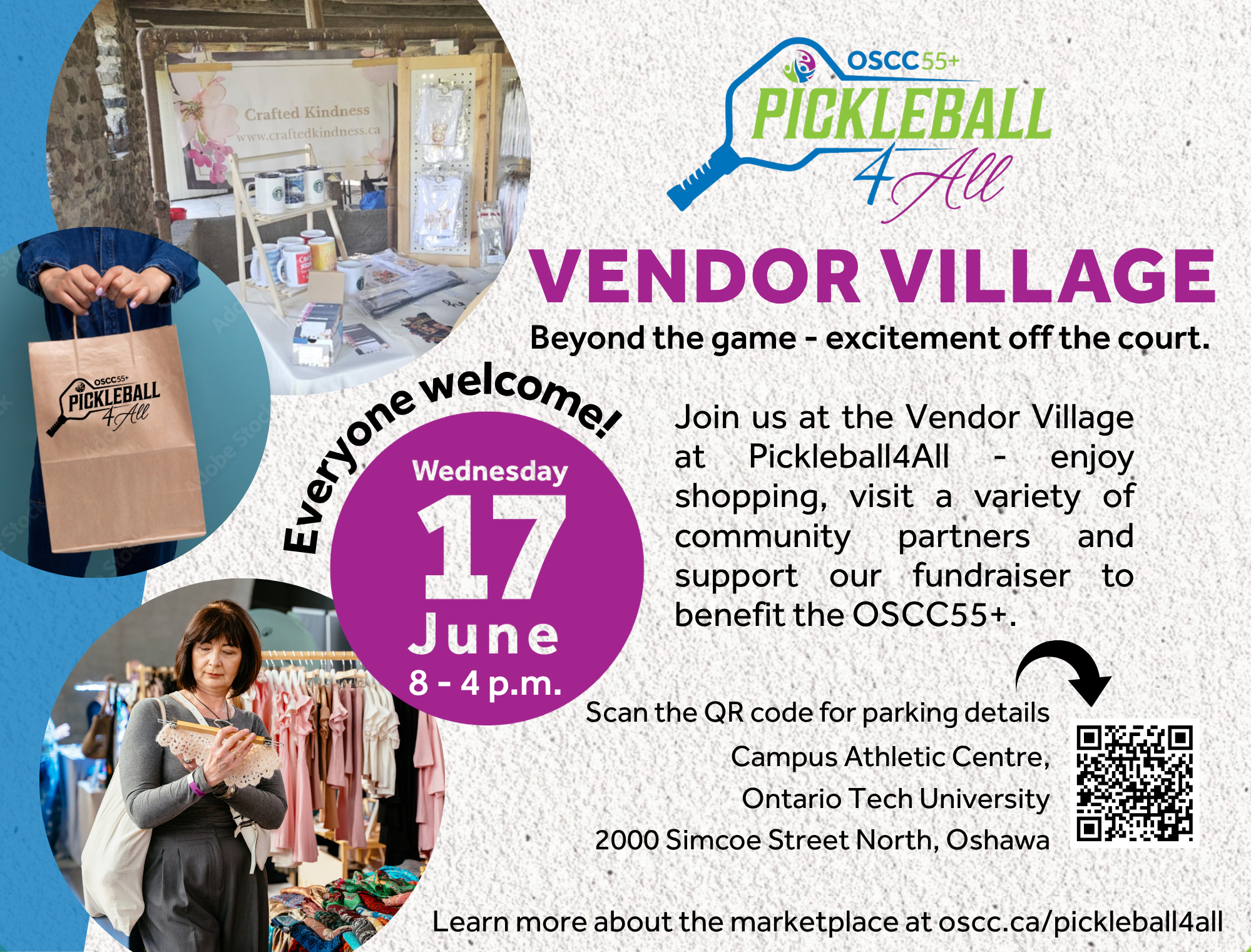
    June 17: Pickleball4All

    Ontario Tech Gym, Oshawa

    Who says Seniors Month can’t include a little competition?

    We’ll be joining Pickleball4All at Ontario Tech University, celebrating one of the fastest-growing sports while connecting with older adults and caregivers from across Durham Region.

    June 18: Navigating Senior Care Webinar

    Ontario Health Team of Northumberland

    We’re excited to participate in the Ontario Health Team of Northumberland’s Navigating Senior Care Webinar alongside Ontario Health atHome.

    We’ll be discussing:

    • Retirement homes
    • Long-term care homes
    • Public home care
    • Family funded home care
    • Tips for planning ahead before a crisis occurs

    If you’re supporting an aging parent and looking for practical information, this webinar is a great place to start.

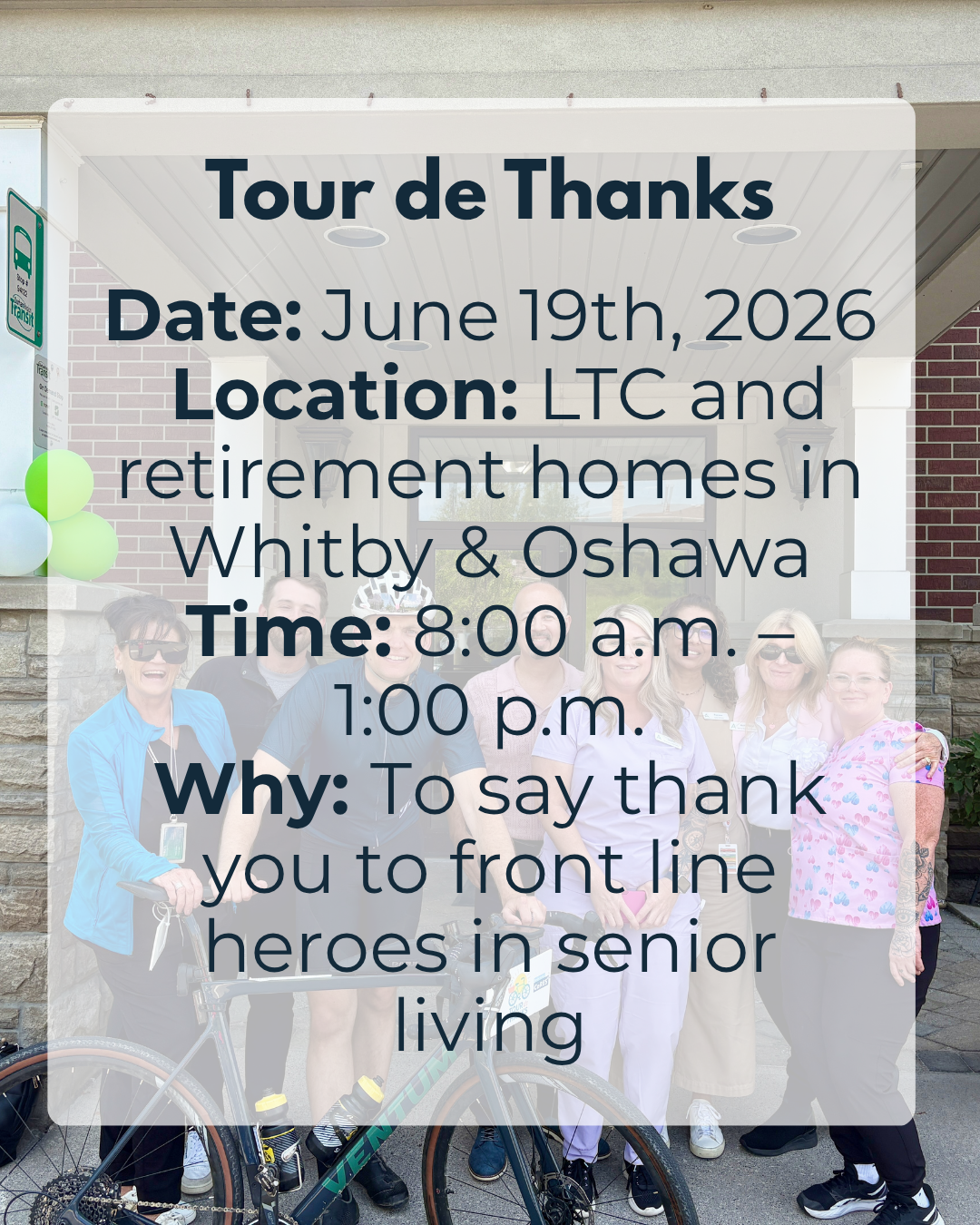
    June 19: Tour de Thanks

    Durham Region

    The Tour de Thanks is a cycling fundraiser we co-host with the Senior Living CaRES Fund to recognize the incredible frontline workers who support older adults every day.

    There are 10 routes in Ontario and 1 route in BC where riders will be visiting retirement homes and long-term care homes at to thank team members for the work they do and raise awareness for the Senior Living CaRES Fund’s emergency bursary and education programs.

    June 22: The Story That Sells

    AgeTech Toronto, The Firkin on Yonge

    We’ll wrap up our Seniors Month events by joining AgeTech Toronto for The Story That Sells.

    This event brings together innovators, entrepreneurs, and leaders working to improve aging and elder care through technology and innovation.

    As elder care continues to evolve, conversations like these help shape what the future may look like for older adults and their families.

    Why We Participate in Seniors Month

    At Elderado, our mission is to make it easier for families to navigate elder care.

    Every event is an opportunity to meet older adults, family caregivers, healthcare professionals, and community organizations working to improve aging experiences across Ontario.

    If you’re attending any of these events, please stop by and introduce yourself. We’d love to meet you.

    Looking for Help Navigating Elder Care?

    Whether you’re exploring retirement homes, long-term care, or home care, Elderado is here to help.

  • What Is March of Dimes Canada and How Do They Help Seniors and Caregivers?

    What Is March of Dimes Canada and How Do They Help Seniors and Caregivers?

    When people hear the name “March of Dimes Canada,” many assume it’s only connected to children or historical polio programs. But today, March of Dimes Canada plays a much bigger role in supporting older adults, caregivers, and people living with disabilities across Canada.

    For many seniors and families, March of Dimes Canada can be an important source of support for aging at home, accessibility, stroke recovery, mobility challenges, and caregiver assistance.

    And with Canada’s aging population continuing to grow, these services are becoming more important than ever.

    What Is March of Dimes Canada?

    March of Dimes Canada is a national charitable organization that supports people with disabilities and helps them live more independently in their homes and communities.

    The organization originally began in the 1950s during the fight against polio. Over time, its mission expanded to support Canadians living with physical disabilities, acquired brain injuries, stroke recovery challenges, mobility limitations, and age-related health conditions.

    Today, many of its programs are highly relevant for:

    • older adults
    • family caregivers
    • stroke survivors
    • people recovering from illness or injury
    • adults trying to remain independent at home

    How March of Dimes Canada Helps Seniors

    One of the biggest goals for many older adults is staying in their own home safely for as long as possible.

    March of Dimes Canada supports that goal through programs focused on:

    • accessibility
    • independent living
    • community support
    • rehabilitation
    • caregiver support

    A lot of seniors first connect with the organization after:

    • a fall
    • a stroke
    • a hospitalization
    • worsening mobility
    • a Parkinson’s diagnosis
    • increasing difficulty managing daily activities at home

    Their programs are designed to help seniors maintain independence and avoid unnecessary hospital stays or premature moves into long-term care.

    Home and Accessibility Support

    One of the best-known programs for seniors in Ontario is the Ontario Home & Vehicle Modification Program (HVMP).

    This program helps eligible Ontarians pay for accessibility upgrades such as:

    • wheelchair ramps
    • stair lifts
    • grab bars
    • accessible showers
    • widened doorways
    • vehicle accessibility modifications

    The program is administered by March of Dimes Canada on behalf of the Ontario government.

    For many families, these types of modifications can make the difference between:

    • safely aging at home, or
    • needing to move into retirement living or long-term care earlier than expected.

    Learn more here:

    Independent Living and In-Home Support

    March of Dimes Canada also provides independent living and community support services in many parts of Ontario.

    Depending on the region, services may include:

    • personal care assistance
    • help with bathing and dressing
    • medication reminders
    • meal preparation
    • homemaking support
    • supportive housing
    • caregiver respite
    • referrals to community resources

    The overall goal is to help older adults remain independent in their homes for as long as possible.

    Some programs are free, while others may have eligibility requirements or waitlists depending on location.

    You can explore local services through:

    Stroke Recovery Support

    Stroke recovery is another area where March of Dimes Canada provides major support for seniors and caregivers.

    Their “After Stroke” program helps stroke survivors and families navigate recovery after leaving the hospital.

    Support can include:

    • peer support groups
    • recovery education
    • caregiver resources
    • virtual programming
    • rehabilitation guidance
    • community connections

    Stroke recovery often continues long after someone leaves the hospital, and many families feel overwhelmed trying to figure out next steps. Programs like this can help people feel less alone during recovery.

    Learn more here:

    Why This Matters for Caregivers

    Family caregivers often become responsible for:

    • coordinating care
    • managing appointments
    • making homes safer
    • helping with mobility
    • researching community resources

    That can become overwhelming very quickly.

    Organizations like March of Dimes Canada help fill some of the gaps by connecting families to practical supports and services that many people don’t even know exist.

    In many cases, getting the right support early can:

    • reduce caregiver burnout
    • improve safety
    • reduce falls
    • prevent unnecessary hospital visits
    • help seniors maintain independence longer

    How to Get Started

    The best starting point is contacting March of Dimes Canada directly or reviewing the services available in your region.

    Helpful links:


    March of Dimes Canada also offers Information Navigators who can help families understand what programs or supports may be available.

    Final Thoughts

    Many families only learn about organizations like March of Dimes Canada during a health crisis or after a major life change.

    But learning about these supports earlier can make a big difference.

    Whether it’s accessibility funding, stroke recovery support, in-home assistance, or caregiver resources, March of Dimes Canada helps many seniors stay safer, more independent, and more connected to their community.

  • Ontario’s Home & Vehicle Modification Program: A Helpful Resource for Seniors Aging at Home

    Ontario’s Home & Vehicle Modification Program: A Helpful Resource for Seniors Aging at Home

    For many older adults in Ontario, the goal is simple: stay at home safely for as long as possible.

    But as mobility changes with age, even everyday things like climbing stairs, getting into the shower, or safely entering a vehicle can become difficult. That’s where Ontario’s Home & Vehicle Modification Program (HVMP) can help.

    Administered by March of Dimes Canada, the program provides funding to eligible Ontarians with mobility-related disabilities to make accessibility upgrades to their home or vehicle. The goal is to help people remain independent, reduce safety risks, and continue participating in their community.

    For seniors and their loved ones, this program can make a real difference.

    What Is the Home & Vehicle Modification Program?

    The Home & Vehicle Modification Program is funded by the Government of Ontario and administered through March of Dimes Canada.

    The program helps cover the cost of modifications that improve accessibility and safety for people with long-term mobility impairments.

    That could include things like:

    • Installing grab bars in a bathroom
    • Adding a wheelchair ramp
    • Installing a stair lift
    • Converting a bathtub into a walk-in shower
    • Widening doorways
    • Modifying a vehicle with accessibility equipment

    For many families, these changes can help an older adult stay in their home longer and avoid a premature move into retirement living or long-term care.

    Why This Matters for Seniors

    A lot of seniors want to age in place. In simple terms, that means continuing to live at home rather than moving into a care setting.

    But homes are often not designed for aging. Something as small as a few stairs at the front entrance or a slippery bathtub can become a major safety issue after:

    • a fall
    • a stroke
    • a Parkinson’s diagnosis
    • worsening arthritis
    • declining mobility
    • the use of a walker or wheelchair

    Accessibility upgrades can significantly improve safety and independence.

    For caregivers, these modifications can also reduce physical strain and stress. Something like a stair lift or accessible shower may help a spouse or adult child continue supporting their loved one safely at home.

    What Does the Program Cover?

    The program can provide:

    • Up to $15,000 lifetime maximum for home modifications
    • Up to $15,000 every 10 years for vehicle modifications

    Eligible home modifications may include:

    • ramps
    • stair lifts
    • porch lifts
    • grab bars
    • wheel-in showers
    • widened doorways
    • lowered countertops
    • accessible pathways
    • lifting and transfer devices

    Eligible vehicle modifications may include:

    • wheelchair lifts
    • hand controls
    • specialized seating
    • lowered vehicle floors
    • garage accessibility modifications

    The program may also help cover:

    • installation costs
    • labour
    • contractor-related work
    • design and assessment costs tied to approved modifications

    Who Is Eligible?

    As of 2026, applicants generally must:

    • Be a permanent Ontario resident
    • Have a substantial ongoing disability or impairment expected to last at least one year
    • Have mobility restrictions that affect daily living activities
    • Meet financial eligibility requirements

    The program is income-tested, which means household income can impact how much funding is available.

    Ontario notes that applicants with household income above approximately $35,000 may be required to contribute toward costs.

    The program is intended to support people with the greatest financial need, and applicants are expected to first explore other available funding sources like insurance coverage or workplace benefits.

    One Important Tip: Don’t Start Renovations Too Early

    This is a big one.

    Families should avoid starting renovations before receiving approval from the program. Starting work too early could affect eligibility for funding.

    Before applying, it’s a good idea to:

    1. Speak with an occupational therapist if possible
    2. Gather quotes from contractors
    3. Review the eligibility guidelines carefully
    4. Submit all required paperwork before beginning work

    How to Apply

    The official application process is managed through March of Dimes Canada.

    The best starting points are:

    Families typically need:

    • medical documentation
    • proof of income
    • contractor quotes
    • completed application forms

    Other Programs Seniors Should Know About

    Depending on where you live in Ontario, there may also be additional supports available through:

    • municipal accessibility grant programs
    • Ontario Renovates programs
    • federal tax credits like the Home Accessibility Tax Credit (HATC)
    • Ontario’s Assistive Devices Program (ADP)

    In some cases, these programs can be combined to reduce overall out-of-pocket costs.

    Final Thoughts

    Many families don’t realize accessibility funding programs like HVMP exist until they’re already in a crisis situation after a fall, hospitalization, or sudden health change.

    But planning ahead can make a huge difference.

    Small modifications can help seniors:

    • stay safer
    • maintain independence
    • reduce fall risks
    • ease caregiver stress
    • continue living comfortably at home longer

    And in many cases, programs like Ontario’s Home & Vehicle Modification Program can help make those changes more affordable.

  • What Move Management Certifications Mean – And Why They Matter

    What Move Management Certifications Mean – And Why They Matter

    This guest blog was written by ONESource Moving Solutions.

    When searching for the right move management company, experience matters—but so do the certifications, associations, and specialized training behind the people guiding your move. Move management is about far more than packing boxes. It often involves coordinating timelines, supporting emotional transitions, organizing decades of belongings, working with families, and helping seniors safely settle into a new home. 

    That’s why professional accreditations can make a meaningful difference.

    Why Credentials Matter in Move Management 

    Anyone can advertise moving or organizing services, but accredited move managers invest in ongoing education, professional standards, ethical practices, and specialized training. These designations show a commitment to understanding the unique challenges that can come with downsizing, senior moves, estate transitions, and relocation planning. 

    Choosing a company with recognized industry credentials can give families greater confidence that they’re working with trained professionals who understand both the logistical and emotional sides of moving. 

    Here’s a closer look at some of the most important qualifications and organizations in the move management industry—and why they matter when choosing the right team for your transition. 

    National Association of Senior & Specialty Move Managers (NASMM) 

    NASMM is one of the leading organizations dedicated specifically to senior and specialty move management. Members of NASMM follow professional standards and have access to ongoing education, industry resources, and best practices designed specifically for transition services. 

    Move managers affiliated with NASMM are part of a professional network focused on helping seniors and families navigate complex life transitions with compassion, organization, and professionalism. 

    Why It Matters

    Working with a NASMM-affiliated company means you’re choosing professionals who are connected to recognized industry standards and continuing education in senior move management. 

    Dementia Friendly Supporter 

    Dementia Friendly Supporter training helps professionals better understand how dementia affects communication, routines, decision-making, and emotional wellbeing. 

    For move managers, this training can be especially important when assisting clients living with Alzheimer’s disease or other forms of dementia, as moving can often increase stress and confusion. 

    Why It Matters 

    A move manager with dementia-friendly training is better prepared to approach transitions with patience, sensitivity, and strategies that help reduce overwhelm for clients and families. 

    National Association of Productivity & Organizing Professionals (NAPO) 

    NAPO is a professional association for organizers, productivity specialists, and relocation professionals. Membership demonstrates a commitment to organization, efficiency, ethical business practices, and continuing education. 

    Many move managers assist with sorting, downsizing, decluttering, and setting up organized living spaces—making professional organizing knowledge an important part of the process. 

    Why It Matters 

    Move managers connected to NAPO often bring stronger organizational systems and practical downsizing strategies that help create smoother, less stressful transitions. 

    Ontario Retirement Communities Association (ORCA) 

    ORCA represents retirement communities across Ontario and promotes quality standards, education, and best practices within the senior living sector. 

    Move managers connected with ORCA often have greater familiarity with retirement residences, transition planning, and the unique requirements involved when moving into retirement living and long-term care communities.

    Why It Matters 

    Experience working within retirement communities can help make the move-in process more seamless and coordinated for seniors and their families. 

    Canadian Association of Movers (CAM) 

    CAM is the national trade association representing professional moving companies in Canada. The organization promotes ethical business practices, professionalism, consumer protection, and industry standards. 

    While move managers are distinct from moving companies, strong relationships and understanding of the professional moving industry can help ensure better coordination and accountability during a move. 

    Why It Matters 

    Affiliation with CAM demonstrates a commitment to working within recognized standards of professionalism and reputable moving practices. 

    Certified Relocation & Transition Specialist (CRTS) 

    The CRTS designation is specialized training focused on helping professionals support seniors through relocation and life transitions. This certification emphasizes understanding the emotional, physical, and practical challenges that often come with downsizing and moving later in life. 

    CRTS training includes topics such as: 

    • Senior-focused transition planning 
    • Communication and family dynamics 
    • Safety and accessibility considerations 
    • Downsizing and organization strategies 
    • Compassionate client support during major life changes 

    Why It Matters 

    A move manager with CRTS certification has additional training specifically centered around senior transitions, helping ensure clients receive knowledgeable, compassionate, and well-coordinated support throughout the moving process.

    Institute for Challenging Disorganization (ICD) 

    The Institute for Challenging Disorganization (ICD) provides specialized education for professionals working with individuals affected by chronic disorganization, hoarding behaviours, ADHD, brain-based conditions, and other challenges that can impact organization and decision-making. 

    For move managers, ICD training can provide valuable insight into how to approach complex downsizing situations with patience, understanding, and effective strategies tailored to each client’s needs. 

    Why It Matters 

    Move managers with ICD-related training are often better equipped to support clients facing overwhelming organizing challenges, helping create a more respectful, supportive, and manageable transition experience for both clients and families. 

    What to Look for in a Move Manager 

    When comparing move management companies, it’s worth asking about: 

    • Professional memberships and certifications 
    • Specialized senior transition training 
    • Experience with downsizing and organizing 
    • Relationships with retirement communities and movers 
    • Ongoing education and industry involvement 
    • Insurance coverage and police clearances 

    The right move manager should offer more than transportation logistics—they should provide guidance, coordination, organization, and compassionate support throughout the entire transition process. 

    The Value of a Qualified Move Management Team 

    Moving—especially later in life—can feel overwhelming. Working with trained, accredited professionals helps ensure that every detail is handled with care, professionalism, and understanding. 

    Credentials alone don’t tell the whole story, but they do reflect a commitment to education, ethics, and specialized expertise. When choosing a move management company, these qualifications can help you identify a team that is prepared to support both the practical and personal sides of a major life transition.


    This blog was brought to you by ONESource Moving Solutions, a professional move management team supporting seniors, families, and professionals through every stage of transition.

    From planning and organizing to coordinating the details of the move and helping clients settle into their new space with ease—we take the stress out of changing your address. If you’re exploring a move or want to understand what support could look like for your situation, reach out to learn more about our services and how we can help make your next transition a smoother one.

  • Q&A with Chantel Escoffery from Sandwich Years

    Q&A with Chantel Escoffery from Sandwich Years

    We did a Q&A with Chantel Escoffery from Sandwich Years to learn about the Sandwich Generation, and how she’s helping families through the sandwich years.

    What are the Sandwich Years?

    The “Sandwich Years” refers to a stage in life where individuals find themselves caring for aging parents or older loved ones while also supporting younger dependants. While traditionally defined as caring for parents and children, we’ve seen the definition expand to include elderly relatives like aunties and uncles, sometimes siblings, as well as younger dependants such as nieces, nephews, grandchildren, and even those who simply look up to you for guidance. It’s a season of life defined by responsibility, love, and often being the one everyone turns to.

    What inspired you to work in the aging and elder care space?

    My inspiration came from lived experience. Navigating the emotional, physical, and logistical responsibilities of supporting aging parents while managing my own family and career opened my eyes to how many people are going through this quietly. I realized there was a need for more open conversations, accessible resources, and a supportive community—which led to the creation of Sandwich Years.

    What are the most common questions you hear from adult children?

    Many adult children ask: “Am I doing enough?”, “How do I balance everything without burning out?”, “Where do I even start when it comes to care planning?”, and “What resources are available to help me?” There’s often uncertainty, guilt, and a strong desire to do right by their loved ones.

    What challenges is the industry facing that families should understand?

    Families should understand that the elder care space can be complex and fragmented. Access to clear, timely information can be difficult, and services can vary widely in quality and availability. There is also a growing demand for care as populations age, which can put pressure on systems and families alike.

    If you could give one piece of advice to adult children, what would it be?

    You don’t have to do this alone. Seek out support early—whether it’s through community, professionals, or resources. Taking care of yourself is not selfish; it’s essential to being able to care for others.

    Why is transparency and information access important in this space?

    Transparency and access to information empower families to make informed decisions. When people understand their options, costs, and available resources, they can plan better and feel more confident navigating what can otherwise feel overwhelming.

    What role do you think platforms like Elderado play in helping families navigate decisions?

    Platforms like Elderado play a critical role in simplifying the journey. By bringing together trusted information, resources, and options in one place, they help families save time, reduce stress, and make more confident decisions about care.

    If someone reading this feels overwhelmed about where to start, what would you tell them?

    Start small. Begin with one conversation or one piece of research. You don’t have to solve everything at once. Give yourself grace, and remember that support exists—you just have to take the first step to find it.

    Learn more about Sandwich Years

    Chantel Escoffery, Founder & Marketing Strategist

    www.sandwichyears.com

    Instagram: @sandwichyears

    LinkedIn: @sandwichyears

    Facebook : @sandwichyears

    YouTube: @sandwichyears

  • Venvi Leaside Retirement Home Review: Big City Living with Nature at Your Doorste

    Venvi Leaside Retirement Home Review: Big City Living with Nature at Your Doorste

    Walking into Venvi Leaside, the first thing you notice is the beautiful piano atrium and the many comfortable lounges throughout the building. It feels bright, warm, and welcoming from the moment you step inside.

    Venvi Leaside is a large retirement community made up of two connected buildings with a total of 288 suites. That might sound big, but the layout is easy to navigate and never feels overwhelming. In fact, one of the biggest benefits of a larger retirement home is the wide range of services, amenities, and healthcare options available right on site.

    One of the most impressive features of Venvi Leaside is its location. Tucked into Toronto’s Leaside neighbourhood, the residence feels like an urban oasis. It is close to shops, restaurants, and local amenities, while also overlooking the beautiful Taylor Creek Ravine. Large windows at the back of the building provide stunning views of the valley, and a paved walking trail offers a peaceful place to enjoy nature in every season. In the fall, the colours are especially spectacular. Residents can also relax on a beautifully landscaped patio complete with a gazebo.

    Independent Living: Freedom with Peace of Mind

    The first building is dedicated entirely to Independent Living and includes 100 suites. Residents can choose from studio, one-bedroom, and two-bedroom layouts.

    At the time of our visit, there was no waiting list, and pricing was very competitive for the Toronto market.

    The monthly fee includes:

    • Three chef-prepared meals each day plus snacks
    • Social and recreational activities
    • 24/7 emergency response
    • Cable, Wi-Fi, and telephone
    • Weekly housekeeping
    • Complimentary laundry rooms on every floor
    • Professional on-site management

    The goal of Independent Living is to help residents stay active and independent for as long as possible. Clinical care in this building is intentionally limited, with medication administration being the main care service available.

    If a resident is feeling unwell, meals can temporarily be delivered to their suite. Staff also keep an eye on patterns like frequent tray requests or missed meals, since these can be early signs that someone may need additional support.

    Residents dine in a spacious ground-floor dining room beside the main atrium, with beautiful views of the ravine.

    Although this building focuses on independent living, nursing staff and Personal Support Workers (PSWs) are available on site 24 hours a day for emergencies. Some residents also receive government-funded home care services through Ontario Health atHome in their suites.

    A physician visits once a week, and residents can book appointments with visiting specialists such as:

    • Chiropodists
    • Foot care nurses
    • Optometrists
    • Dentists

    Plenty of Activities and Social Opportunities

    Venvi Leaside offers a busy and varied recreation calendar.

    Residents can take part in:

    • Exercise classes
    • Cooking demonstrations
    • Cocktail receptions
    • Group outings
    • Educational presentations

    For those who prefer not to leave the building to shop, outside vendors regularly set up pop-up shops in the lobby selling jewellery, clothing, and gifts.

    Assisted Living: Flexible Support That Adapts to Your Needs

    The second building is home to both Assisted Living and Memory Care.

    The Assisted Living area has approximately 124 suites, with studio and one-bedroom options available.

    In addition to everything included in Independent Living, Assisted Living also provides:

    • Daily bed-making
    • Light suite tidying
    • Trash removal
    • Personal laundry
    • Night checks by staff

    LiveWell Services: Pay Only for the Care You Need

    One feature that stood out during our tour was Venvi’s LiveWell Services program.

    The base price includes Level 1 care. Additional support can be added in three categories:

    1. Ambulation (mobility assistance)
    2. Continence care
    3. Nutrition (dining assistance)

    This flexible approach allows residents to customize their care.

    For example, someone who needs one-on-one help during meals can receive advanced nutrition support without paying for higher levels of mobility assistance if they are still walking independently.

    This makes care more personalized and helps families avoid paying for services they do not need.

    The building is also equipped to support residents who require Hoyer lifts, although it is not able to accommodate individuals who need G-tube feeding.

    A Smaller Home Feel Within a Larger Community

    One thoughtful design feature is that each floor in Assisted Living and Memory Care has its own dining room and lounge.

    This creates a much more intimate atmosphere and means residents do not need to wait for elevators to get to meals.

    The hallways are bright and spacious, and suite doorways are extra wide to easily accommodate walkers, wheelchairs, and other mobility equipment.

    Memory Care: Safe and Specialized Dementia Support

    The Memory Care neighbourhood includes 64 private studio suites located on a secure floor.

    Residents wear wander guards to help prevent unsafe exits and provide peace of mind for families.

    Memory Care residents receive the same LiveWell care options as Assisted Living, with services adjusted as needs change over time.

    The care team formally reviews each resident’s care plan every six months to make sure they are receiving the right level of support. Care can increase when needed, but it can also decrease if someone regains strength and independence.

    Specialized Activities for People Living with Dementia

    Each area of the residence has its own recreation calendar.

    Independent Living and Assisted Living often share activities, while Memory Care offers specialized “failure-free” programs designed to support people living with cognitive impairment.

    These activities are structured so residents can participate successfully and enjoy meaningful engagement without frustration.

    Many larger outings, such as bus trips, are shared across all levels of care, giving residents opportunities for both specialized support and broader social interaction.

    Final Thoughts: Why Venvi Leaside Stands Out

    Venvi Leaside is one of the larger retirement homes in Toronto, but it never feels impersonal.

    The size of the community brings several important advantages:

    • More opportunities to make friends
    • A wider variety of activities and amenities
    • More visiting healthcare professionals
    • Flexible care options that can adapt over time

    For older adults who want to stay active and independent, while knowing additional support is available if needed, Venvi Leaside offers an excellent balance.

    Add in the ravine views and convenient Toronto location, and it is easy to see why this community is so popular.

  • A Hidden Gem of North York: Rayoak Place’s Unique Approach to Retirement Living

    A Hidden Gem of North York: Rayoak Place’s Unique Approach to Retirement Living

    A Serene Sanctuary in the City

    Tucked away in a quiet corner of North York lies Rayoak Place, a charming bungalow-style residence that has been a community staple since 1996. At first glance, you might almost miss it—and that is precisely part of its appeal. It is a hidden retreat set back from the hustle and bustle, with a beautiful, mature garden courtyard that offers a sense of peace rarely found in urban environments.

    However, don’t let the tranquility fool you. While the residence feels like a private escape, it is perfectly positioned near a wealth of amenities. Residents enjoy easy access to local libraries, cozy coffee shops, and convenient transit stops. This unique balance offers a serene setting for relaxation, while ensuring that those who crave “city action” are never more than a few steps away from the heart of the neighbourhood.

    The Power of One: The Unique Advantages of Single-Story Living

    One of the most distinctive features of Rayoak Place is its architectural layout. Unlike traditional multi-level retirement homes, the entire residence is situated on a single floor. This “bungalow style” design is more than just an aesthetic choice; it’s a lifestyle enhancer. With 65 private studio suites—each boasting its own bright bay window—the layout eliminates the daily frustrations often found in multi-story buildings.

    There are no elevators to wait for, no long walks to a central bank of lifts, and no stairs to navigate. This creates a seamless flow throughout the day. Whether a resident is heading to a meal or an afternoon activity, the journey is short, easy, and stress-free. It fosters a sense of independence, as the entire community remains physically accessible to everyone, regardless of their mobility level.

    A Continuum of Care: Blending Independence with Support

    Rayoak Place operates on a philosophy that rejects the “divide” between different stages of aging. While they offer both Independent Living and Assisted Living, they also use the term “Supported Independent Living.” This reflects their belief that care should be a fluid continuum rather than a series of restrictive categories.

    The community is designed to feel like home, and that includes a robust list of inclusions. The monthly investment covers all meals, weekly laundering of towels and linens, and access to on-site amenities like a hair salon, a cozy TV lounge, and shared laundry facilities.

    The social calendar is equally impressive. From dedicated book and knitting clubs to themed celebrations, there is always something happening. During my recent visit with Lawanya, the energy was palpable as the team and residents worked side-by-side to prepare for a Valentine’s Day celebration. Perhaps most heartwarming are the intergenerational programs, where local school volunteers join residents for activities. These moments allow students and seniors to share stories and wisdom, bridging the gap between generations in a truly meaningful way.

    Culinary Excellence

    Dining is the heart of any home, and Rayoak Place is no exception. Because of the single-story layout, the central dining room is easily accessible for every resident. While seating is assigned to help build consistent social circles, the management is incredibly flexible, ensuring that resident preferences and friendships are prioritized.

    The consistency of the culinary team is a standout feature—the Head Chef has been crafting meals at Rayoak Place for over 20 years. This longevity translates into a deep understanding of resident tastes and dietary needs. One of the most popular offerings is the daily hot breakfast. While many retirement homes have moved toward continental or buffet-style mornings, Rayoak Place maintains the tradition of a hot meal to start the day.

    A Sophisticated Approach to Health and Wellness

    Health care at Rayoak Place is professional yet discreet. While there is a dedicated nursing office on-site, the philosophy is to provide care within the privacy and comfort of the residents’ own suites. The Personal Support Workers (PSWs) are employed directly by Rayoak Place, ensuring a consistent standard of care and familiar faces for the residents. Additionally, the residence coordinates with Ontario Health at Home for those requiring external support, and a physician visits the community weekly.

    When a resident’s needs evolve, Rayoak Place utilizes a highly transparent “Care Matrix” to ensure families understand exactly how support is scaled. Their Assisted Living model is broken down into three distinct levels:

    • Level 1: Cueing (Gentle reminders and verbal guidance)
    • Level 2: Partial Assistance (Intermittent physical help and encouragement)
    • Level 3: Enhanced Support (Dedicated 1:1 assistance)

    These levels are applied across eight vital categories: morning routine, evening routine, dining, medications, bathing assistance, mobility, continence care, and accessibility. For example, in the dining category, support ranges from simple verbal cues at Level 1 to dedicated 1:1 assistance at Level 3. This clarity removes the “guesswork” for families, providing peace of mind that their loved one is receiving exactly the right amount of help.

    Specialized Support and Safety

    Rayoak Place is uniquely equipped to handle specific physical needs, including the use of Hoyer lifts for residents with significant mobility challenges. While the residence does not offer a locked Memory Care unit, the exits are fully secured to prevent wandering, making it a safe environment for those with mild cognitive changes. Furthermore, they are open to accepting palliative residents (subject to assessment), often easing the transition directly from a hospital setting to a more home-like environment.

    For those who may not be ready for a permanent move, Rayoak Place offers fully furnished Respite and Trial Stays. These stays include 24-hour support, all meals, and full access to programs, allowing seniors to “test drive” the lifestyle or recover from surgery with professional care close at hand. Additional services can be added, such as assistance with bathing, medication management, and tray service for meals.

    Final Thoughts: A Community Built on Connection

    Touring Rayoak Place, the word that kept coming to mind was ease. There is an effortless sense of inclusion here. Lawanya pointed out that a significant portion of their residents come through word-of-mouth referrals—the ultimate endorsement of any retirement community.

    In this “bungalow” by the garden, Assisted Living residents aren’t just “supported”—they are full, active members of a vibrant social fabric. The care is there when you need it, but it never defines who you are. As one of their pamphlets beautifully states, life is an “ever-unfolding journey of seasons.” Rayoak Place doesn’t just acknowledge the changing seasons of life; it celebrates them, helping residents embrace every new chapter with dignity, joy, and a very good hot breakfast.

  • The Juggle Is Real: Why You Should Join Me

    The Juggle Is Real: Why You Should Join Me

    If you’ve ever felt like you’re being pulled in ten different directions at once, you’re not alone.

    You’re building your career. You’re showing up for your family. Maybe you’re raising kids. And at the same time, you’re starting to take on a new role you were never really trained for helping aging parents navigate one of the most complex systems out there.

    That’s the sandwich generation (responsible for bringing up their own children and for the care of their aging parents). And the juggle is very real.

    That’s exactly why I’m excited to be part of The Juggle Is Real: A Community Night for the Sandwich Generation, hosted by Whimble.

    This isn’t your typical “sit and listen” event. It’s designed to feel different in the best way.

    A Night That Actually Gets It

    We’ve all been to events that feel a bit too formal or a bit too removed from real life. This isn’t that.

    The goal of this night is simple: bring together people who get it.

    People who understand what it feels like to:

    • Try to plan for the future while dealing with what’s happening right now
    • Have tough conversations with parents about care, housing, and support
    • Balance ambition at work with responsibility at home
    • Feel like you’re supposed to have all the answers… even when you don’t

    You can expect a relaxed, welcoming atmosphere. Think cocktails, good conversation, and a room full of people who are navigating similar challenges.

    There’s going to be a panel discussion, but it’s not meant to be clinical or overwhelming. It’s meant to be real, practical, and actually helpful.

    What We’ll Be Talking About

    The panel is focused on giving you tools you can actually use.

    Not theory. Not jargon. Just honest conversations about things like:

    • How to start planning before a crisis happens
    • What to do when you’re not sure what your parents need yet
    • How to manage stress and avoid burnout
    • How to build a support system that actually works

    And most importantly, there will be time for questions. Because everyone’s situation is different, and sometimes you just need to ask the thing that’s been on your mind.

    Meet the Panel

    One of the best parts about this event is the mix of perspectives.

    You’re hearing from people who live and breathe this space in very different ways.

    Minnelle Williams

    An Estate and Legacy Educator, Minnelle brings a level of warmth that makes even the hardest conversations feel approachable. With experience as both a Funeral Director and Death Doula, she helps families think about planning in a way that feels human, not overwhelming. Her work is all about making sure people feel prepared, not panicked.

    Elizabeth Mohler

    Elizabeth brings a thoughtful, research-backed perspective on care systems and policy. As a PhD candidate at Western University, she studies how people actually experience care in real life. What I really respect is that she also brings lived experience as a caregiver, which adds a level of honesty you don’t always get in these conversations.

    Emma Brown

    The Founder and CEO of Whimble, Emma built this event from a place of personal experience. After decades of providing backup care for a loved one, she understands just how fragile and complicated the system can be. Her goal is to make care more accessible, reliable, and easier to navigate for families.

    Daniel Clarke (that’s me)

    I’ll be there talking about how we can make finding care a little less overwhelming.

    Through Elderado, I spend a lot of time helping families figure out the difference between long-term care, retirement homes, and home care and more importantly, how to actually find the right fit.

    Because the reality is, most people only learn about this system when they’re already in it. And that’s when it feels the hardest.

    Where Elderado Fits In

    A big part of what I’ll be sharing is how families can take back a bit of control in the process.

    Finding care shouldn’t feel like guesswork.

    Whether you’re:

    • Just starting to think about options
    • Trying to understand the difference between retirement homes and long-term care
    • Looking for home care support to stay at home longer
    • Or in a situation where you need to make a decision quickly

    There are tools and resources that can make this easier.

    That’s why we built Elderado to give families a clear, simple way to search, compare, and connect with care options without feeling overwhelmed or pressured.

    And honestly, even knowing where to start can take a huge weight off your shoulders.

    Why You Should Come

    If you’re part of the sandwich generation, this night is for you.

    Not because you need another thing on your calendar but because you deserve support too.

    You deserve:

    • Clear information
    • Honest conversations
    • A space where you don’t have to explain why this is hard

    And maybe most importantly, you deserve to feel like you’re not doing this alone.

    This event is about learning, yes. But it’s also about connection.

    It’s about walking into a room and realizing there are other people figuring this out too.

    We’re never really taught how to navigate this stage of life. There’s no handbook for balancing career, family, and caregiving. Most people figure it out as they go. But nights like this can make that process feel a little less overwhelming.

    If you’ve been meaning to start the conversation, ask questions, or just connect with people who understand this phase of life, this is a great place to start.

    I hope to see you there.