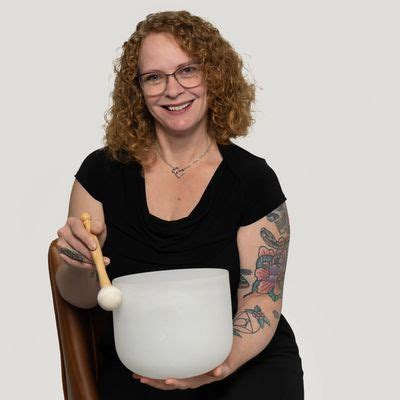
Hi, I’m Mayssam, Elderado.ca’s new marketing intern! If you’ve noticed a new face on our social media lately… that’s me behind the screen! Over the next few months, I’ll be sharing blog posts that reflect what I’m learning as I navigate the world of eldercare marketing, the insights, the surprises, and everything in between. Consider it a front-row seat to my internship in progress.
When I first joined Elderado.ca as a marketing intern, I thought I had a pretty good grasp on what social media could do: amplify messages, build brands, drive traffic. But in just a few weeks, I’ve learned that marketing in the eldercare space isn’t just about awareness. It’s about trust, timing, and deep human connection.
And while I wasn’t expecting to be emotionally moved by a website that compares retirement homes, the past few weeks have certainly proven me wrong.
Learning the Language of Eldercare
In my first week, I felt like I had opened the door to a world I hadn’t realized was so complex, or so vital.
Words I’d never used before were suddenly everywhere: Assisted living. Memory care. Independent retirement communities. Respite stays.
At first, it felt like industry jargon. But over time, I began to understand that every one of these terms represents a different need, a different phase of life and a different set of emotions, for both seniors and their families.
Behind every search on Elderado.ca is someone making a decision that’s often overwhelming, deeply personal, and incredibly important. That changes the way you write a caption. It changes the way you think about "content."
My First Visit to a Retirement Home
In my second week on the job, I experienced one of the most eye-opening moments so far: visiting a retirement home for the first time. I didn’t realize how much I’d internalized outdated stereotypes: sterile hallways, impersonal routines, institutional environments.
Instead, I found warmth. Art on the walls. People laughing. Real conversations. I met residents and staff who were genuinely engaged, proud to show me their community, and eager to share what they loved most about where they live and work.
Being there made something click:
We’re not marketing places. We’re helping people envision a new chapter of life, one that can be full of connection, dignity, and care. It gave me perspective and reminded me that marketing isn’t just about platforms. It’s about understanding people.
Attending My First Networking Event
If visiting a retirement home opened my eyes, then my first industry networking event opened my ears.
I listened to company CEOs talk about the pressures they face, heard community engagement representatives describe the challenges of finding placement for seniors, and spoke to community leaders who genuinely want to do better for families.
The biggest thing I noticed? Everyone in this space is here because they care. No one ends up in eldercare by accident, or at least not completely. It's a field driven by values and being around that level of purpose and compassion is energizing.
It also made me think more carefully about how we represent the industry on social media. How we show empathy. How we balance facts with feelings. How we respect the gravity of what families are going through, even in a 30-second video.
What This Experience Has Taught Me
So far, this internship has taught me that good marketing doesn’t just sell a product, it reflects what matters to people.
Here are a few lessons I’m carrying forward:
Clarity matters. A single word like "residence" or "facility" carries weight. Every choice we make in our messaging can either empower or alienate someone.
Emotional storytelling is essential. Real people, real voices, and real testimonials create the strongest connection between Elderado and the people we serve.
Purpose is powerful. Marketing for eldercare is about more than metrics. It’s about dignity, timing, and support at a deeply human level. We may not receive heartfelt reviews every day, the kind that call Elderado a “Godsend” or “an answer to prayer," but when we do, they remind us what we’re working toward. And this summer, I hope to create content that reflects that kind of impact.
Looking Ahead
As I continue this journey, I want to help tell stories that reflect the full picture of retirement living: the fears, the decisions, the beauty, and the hope. Because there’s something powerful about helping people find not just a place, but a home.
And if I’ve learned anything so far, it’s that every search on Elderado.ca starts with a question bigger than “What’s available?” It starts with “Where will my loved one be safe, happy, and cared for?”
I’m grateful to be part of that answer.
—
Written by Mayssam Fadili,
Marketing Intern, Elderado.ca
Mellisa Thornton is a Level 2 Licensed Mortgage Agent with Pineapple Mortgage. Through her platform, Mortgages by Mellisa, she works directly with seniors and their families to unlock home equity through reverse mortgages. This is a key financial tool that allows homeowners aged 55+ to tap into the value of their homes without needing to sell or make monthly payments.
What is a reverse mortgage?
A reverse mortgage is a financial tool that allows homeowners aged 55 and older to access the equity in their home without having to sell or make monthly mortgage payments. Instead of making payments to the lender, the lender makes payments to the homeowner as a lump sum, regular payments, or a line of credit. It is a helpful option for seniors who want extra money in retirement while staying in their own homes.
What's the biggest misconception about reverse mortgages?
Many people believe that you lose ownership of your home with a reverse mortgage, but that’s not true. You stay the owner and can live in your home as long as you want. With a reverse mortgage, you remain the full owner of your home. You stay in your home for as long as you want, until you move, enter long-term care, or pass away. At that point, your estate typically has 6 to 12 months to decide what to do with the property.
Another common misconception is that needing a reverse mortgage is something to be ashamed of. It’s not. Seniors today have built up a lot of home equity, and there’s nothing wrong with using it to live more comfortably, pay for care, or enjoy a nice retirement. It’s your money, and you deserve to spend it.
What happens to the property if someone becomes mentally incapable?
If one spouse becomes mentally incapable and the couple owns the home together, the other spouse can continue living in the home without any issue. If the person is single, a Power of Attorney (someone legally appointed to make decisions) can manage the property on their behalf. As long as the homeowner still lives in the home, they have the right to stay there as long as they want, regardless of mental capacity.
How does a reverse mortgage work when you sell your home?
When you sell your home, the reverse mortgage must be repaid. You (or your lawyer) request a discharge statement from the lender, which shows the total amount owed. After the home is sold, your lawyer pays off the reverse mortgage using the sale proceeds. Any remaining money goes to you, your Power of Attorney, or the executor of your estate, depending on the situation.
What are some ways to receive the payment of a reverse mortgage?
With a reverse mortgage, you can choose how to receive your money, because it’s your equity. Once approved (up to 55% of your home’s value), you can receive the funds:
As a lump sum
In monthly or bi-monthly payments
Biannually
A combination of these
How is the value of your home determined?
To calculate how much you can borrow through a reverse mortgage, the lender needs to assess your home’s value. This can be done in one of two ways: an online market review or a home appraisal, which the lender arranges at no cost to you. Once the home’s value is confirmed, the lender uses it to calculate your maximum eligible amount.
What is different about reverse mortgages in the US vs. Canada?
Reverse mortgages sometimes get a bad reputation, usually due to past issues in the U.S. and the U.K. But in Canada, the system is much more regulated and built to protect the homeowner.
Here’s what makes Canadian reverse mortgages safer:
They are offered only by federally regulated lenders
Two lawyers are involved in every transaction: One for the mortgage process and one providing Independent Legal Advice (ILA) to protect the client
The client must fully understand the terms before anything is finalized
Who is eligible for a reverse mortgage?
In Canada, any homeowner aged 55 or older is eligible to apply for a reverse mortgage. This applies nationwide, with only minor differences in some provinces like B.C. and Alberta. However, the younger you are, the less you qualify for. For example, someone who’s 57 may be approved for a smaller percentage than someone who’s 70, ensuring they don’t outlive their home equity. The ideal age range for reverse mortgages is typically between 66 and 76, when many homeowners are looking for ways to boost retirement income while staying in their homes.
What are the benefits of a reverse mortgage vs. a home equity line of credit?
Both a reverse mortgage and a home equity line of credit (HELOC) let you access your home’s equity, but they work very differently. Here are the key benefits of a reverse mortgage:
No Monthly Payments
With a reverse mortgage, you don’t have to make monthly payments. A HELOC requires minimum payments every month.
Easier to Qualify
To qualify for a reverse mortgage, you just need to show you can cover property taxes and insurance.
For a HELOC, you must pass a full income and credit check, similar to a traditional mortgage.
No Need to Requalify
A reverse mortgage is locked in for life, and you don’t need to reapply. HELOCs may require requalification in a few years, and the lender can reduce or cancel your limit.
No Impact on Credit
Since reverse mortgages don’t involve payments, missing a payment isn’t possible, which won’t hurt your credit score. Missing a HELOC payment, however, can damage your credit history.
How do interest rates affect reverse mortgages?
Reverse mortgage interest rates are usually lower than a home equity line of credit and slightly higher than a regular mortgage, by about 0.5% to 1%. As of now, regular mortgage rates are around 5%, while reverse mortgage rates are typically in the low 6% range. Just like a regular mortgage, reverse mortgages come with term options (2, 3, or 5 years). If rates change, you can discuss with your mortgage agent about renewing or switching lenders at the end of your term. This makes reverse mortgages more cost-effective for seniors.
How does a reverse mortgage change over time?
A reverse mortgage stays in effect for as long as you live in your home. It only needs to be repaid when you move out permanently, sell the property, or pass away. The home and the money remain yours throughout that time. If you pass away sooner, less interest accumulates because the loan was active for a shorter period. However, if you live longer, the interest will build over those extra years. During that same time, the value of your home is also likely to increase. For example, home prices in 2004 were significantly lower than in 2024. So, while interest accrues over time, the natural appreciation of your home can help offset those costs.
Who is responsible for the debts of the homeowner?
With a reverse mortgage, you will never owe more than the value of your home, due to how the loan is structured. Since you can only borrow up to 55% of your home’s value, there's a built-in safety net. Even in the unlikely event that the housing market drops significantly, reverse mortgage lenders in Canada include a market value guarantee. This ensures that your estate will not be left with debt beyond the home’s worth. When the homeowner passes away or moves out, the lender will assess the home’s current market value. The executor or beneficiary of the estate will then work with the lender to repay the loan using the proceeds from the sale.
How to invest proceeds of a reverse mortgage?
Although mortgage agents like Mellisa don’t offer investment advice directly, she works closely with trusted financial planners and partners who help seniors invest wisely while protecting their benefits. One key consideration is to ensure that any investments made don’t negatively affect government income supports like CPP (Canada Pension Plan) or OAS (Old Age Security). A knowledgeable planner can help structure the funds in a way that allows you to grow your money without losing access to essential retirement benefits.
Can older seniors get a reverse mortgage?
There is no upper age limit for a reverse mortgage. As long as you are 55 or older and own your home, you’re eligible to apply. Many older seniors use reverse mortgages to improve their quality of life later in retirement. For Mellisa, the oldest client she has helped was 92, and the youngest was 56. More and more people are rethinking retirement, and a reverse mortgage can offer the flexibility and financial freedom to support that. Even if you’re 94 or 99, you can still qualify, as long as the home is in your name.
Can a Power of Attorney (POA) instigate a reverse mortgage?
Yes, a POA can apply for a reverse mortgage on behalf of a homeowner who is unable to manage the process themselves due to cognitive decline or other health issues. This is especially helpful for members of the “sandwich generation” who are balancing care for aging parents and young families while trying to manage finances and support systems.
In these cases, the POA can fully handle the reverse mortgage application and transaction. To ensure clarity and protection for all, it is recommended that the POA attend the Independent Legal Advice (ILA) meeting with the homeowner. This ensures both the homeowner and POA fully understand the terms and responsibilities of the agreement before proceeding.
How to contact Mellisa and learn more about reverse mortgages?
Mellisa is available to help seniors and families across Canada with reverse mortgage solutions. Whether you're just starting to explore your options or ready to apply, she is here to guide you through every step of the process. She can assess what you qualify for, gather a few basic documents, and get the process started. It’s quick, simple, and stress-free.
Moving can be a stressful and emotionally challenging experience, especially for older adults transitioning from larger homes to smaller, more manageable living spaces. Downsizing Diva specializes in making this transition as seamless as possible, providing compassionate support and expert guidance throughout the entire downsizing process. Angela Newbery from Downsizing Diva sat down with us to explore what sets Downsizing Diva apart, how they help seniors navigate the downsizing journey, and key tips for successfully downsizing.
What is Downsizing?
Downsizing involves moving from a larger space to a smaller one, carefully selecting which belongings to keep and what to let go of. This process not only involves physical relocation but also emotional decisions regarding cherished possessions. Downsizing Diva assists clients by developing a customized floor plan that considers the new space layout, helping clients determine what fits and what doesn’t.
How Downsizing Diva Helps Clients Transition
Unlike traditional moving companies, Downsizing Diva takes a comprehensive approach to downsizing. They provide end-to-end services that include:
Customized Floor Plans: Downsizing Diva creates detailed floor plans that help clients visualize the new space and decide what to keep and where to place it.
Packing and Unpacking: Every item is carefully packed, inventoried, and labeled to ensure a smooth transition to the new space.
Donation and Sale Coordination: Downsizing Diva helps clients decide what to sell, donate, or discard, working with reputable auctioneers, donation centers, and buyers.
Settling In: The team unpacks and organizes the new space to replicate the familiar setup of the previous home, making it move-in ready.
Unique Challenges of Downsizing
One of the most emotionally charged aspects of downsizing is letting go of cherished items. According to Angela Newbery, Business Development Manager and Client Care Specialist at Downsizing Diva, many clients struggle with deciding what to keep, sell, or donate. The team supports clients in this process by asking questions like:
“Have you used this item in the past year?”
“Does it have sentimental or artistic value that justifies keeping it?”
Tips for Downsizing
Angela and the team at Downsizing Diva recommend breaking the process into manageable pieces. Focus on one area at a time, and don’t rush decisions. Take photos of sentimental items if you can’t keep them, and always ask yourself: “Would I buy this again today?” These small mindset shifts help reduce the stress of letting go.
Understanding the Emotions Behind the Move
Downsizing isn’t just a logistical process—it’s deeply emotional. Many clients feel guilt, grief, or anxiety as they let go of decades of memories. Angela talks about how the team supports clients through these emotions, offering both practical and emotional reassurance.
Preparing for the Move
Preparation is key to a smooth downsizing experience. Angela recommends starting small, such as tackling a junk drawer or sorting through seasonal items. She emphasizes that starting early and building momentum can make the process less overwhelming.
Downsizing Diva uses a color-coded labeling system to categorize items as ‘Keep,’ ‘Donate,’ or ‘Sell,’ making the sorting process more organized and manageable.
Moving Day: Managing Challenges
On moving day, Downsizing Diva handles all logistics, from coordinating elevator schedules to overseeing traffic challenges in the Greater Toronto Area. The team ensures that all items are safely transported to the new space and promptly unpacks and arranges the home to match the client’s preferences.
How to Get Started with Downsizing Diva
If you or a loved one is considering downsizing, reach out to Downsizing Diva for expert guidance. Whether it’s a move to a smaller home, condo, or retirement residence, their team offers the compassion, experience, and resources to make the transition as smooth as possible.
The Accessible Housing Network (AHN) is a coalition of over 70 nonprofit organizations across Canada, united to make a powerful but simple message: all new houses must be designed with accessibility as the priority. Co-founder Kate Chung emphasizes universal design as the norm and not the exception, which makes houses home for everyone, regardless of age and ability.
Common Accessibility Challenges in Canadian Homes
From steps that prevent wheelchair users from entering a home at all to slim bathroom doors that won't allow walkers to pass through them, common design errors have serious consequences. Immovable countertops in kitchens, inaccessible showers, and the lack of bathrooms on main levels in multi-story homes all point to how current standards fail those who are recovering from surgery, living with mobility impairments, or aging in general.
What Is Universal Design in Home Design?
Universal design is creating spaces that anyone can use without needing to adapt. From creating kitchens that are accessible by standing individuals and wheelchair users, to light switches and countertops within reach for all, universal design removes barriers before they exist. It's intuitive, inclusive, and flexible designed for everyone, not the "average" individual.
Is Universal Design More Expensive?
Contrary to public perception, it's not. The Canada Mortgage and Housing Corporation (CMHC) indicates that accessible design costs almost the same to incorporate into new apartments and little more than 1% added for houses. Upfront accessibility costs are best by saving dollars in the long run by reducing falls, hospital stays, caregiver fatigue, and expensive revisions or long-term care.
Why Don't We See More Universal Design in Ontario?
A blame game between different levels of government is at the heart of the issue. The federal, provincial, and municipal governments point fingers at one another and nothing is accomplished. In spite of national efforts like the Accessible Canada Act and organizations like CMHC, nothing is accomplished unless all levels are prepared to act.
Global Examples of Universal Design in Action
Australia and Norway lead the way. Australia's building code mandates accessible homes for all under the phrase "livable design." In Norway, state-subsidized housing loans are made available only for universally designed homes. Even Toronto is beginning to institute accessibility features in government-subsidized housing, but private construction continues to be behind.
Tips for people looking for homes for the rest of their life
When thinking long-term, it’s important to consider whether a home can adapt with you over time. Features like no-step entries, doorways that allow for mobility aids, and bathrooms that could accommodate future upgrades all make a difference. The accessibility design specifications adopted by the City of Toronto are a helpful tool when making any renovation or real estate decision even if no laws require them yet.
How You Can Make a Difference in Accessible Housing
Change will not happen without public pressure. Contact your town councillors, provincial Parliament members, and Parliament members. Schedule meetings, write letters to ask for them, or get them to visit your apartment complex to observe for themselves the accessibility issues. Most never consider accessibility until they or people close to them are affected by it and, at that point, it is too late. According to Kate Chung, an institution bed is no home. All human beings deserve to live a life of dignity and independence.
To learn more about the Accessible Housing Network and how you can support their advocacy, visit: Accessible Housing Network
Alivio Downsizing offers expert estate clearing and downsizing services, helping seniors and their families prepare for major life transitions whether that’s moving into a retirement community, clearing out a loved one’s estate, or selling a long-time family home.
Founded by Rita Monteiro, a military spouse and marketing professional turned downsizing expert, Alivio brings both personal insight and certified training through NASMM (National Association of Senior & Specialty Move Managers).
Their mission? To make downsizing feel less overwhelming and more empowering, by handling every detail with care, integrity, and efficiency.
How Alivio Is Different From a Traditional Moving Company
Alivio Downsizing serves as a full-service transition specialist, in contrast to traditional movers who concentrate mainly on moving possessions from one location to another.
As founder Rita Monteiro explains in the clip below this comprehensive strategy, executed with professionalism, consideration, and effectiveness, is what sets Alivio apart. Their objective is to facilitate every aspect of the shift for families dealing with big life changes.
What Does Working With Alivio Downsizing Look Like
Every transition with Alivio begins with a free in-home consultation. During this meeting, Rita takes the time to understand the client’s goals, timeline, and specific needs.
From there, she creates a customized plan tailored to the situation whether it's downsizing, estate clearing, or preparing a home for sale. It’s a thoughtful first step that sets the tone for a smooth, supportive experience.
How to Downsize and Get Ready to Sell Your Home
When older adults downsize, not everything can come with them. As Rita Monteiro explains, many must prioritize what fits in the new space, sometimes even purchasing new items leaving behind furniture and belongings in the original home.
That’s where Alivio steps in.
They help families clear out remaining items, and prepare the property for sale through services like decluttering, organizing, donating, selling, and staging. It’s a thoughtful balance between preserving what matters and making the home market-ready.
Floor Planning to Support Downsizing
Alivio helps clients plan their new space by measuring furniture, visiting the new home, and deciding what fits best. The focus isn’t just on space it’s on flow, mobility, and functionality, especially for aging adults. The goal is to ensure the new layout is safe, comfortable, and practical.
Common Challenges Families Face When Downsizing
One of the biggest challenges during downsizing is emotional attachment to belongings. As Rita explains, deciding what to keep or let go can feel overwhelming.
Alivio supports families with compassionate guidance and practical methods to help clients make thoughtful decisions. Their team understands the stress involved and works with patience and empathy every step of the way.
Supporting Emotional Attachments to Belongings
As stated earlier emotional attachment is one of the toughest parts of downsizing. Rita shares, when time allows, Alivio may move the client first, then pause the downsizing. This helps them settle in and see what they truly need, making it easier to let go of what's left behind.
This is just one of the thoughtful approaches Alivio uses to support clients through emotional decisions with care and patience.
How to Start Downsizing a Year or Two in Advance
If you're thinking about downsizing in the next year or two, Rita recommends starting early especially with spaces like basements, attics, and garages. Begin by removing items that are broken, clearly garbage, or things you’ve already planned to pass on.
Creating an inventory of items you want to bring to your next home can also help. As Rita explains, this not only reduces future stress but gives you a clearer picture of what your new space needs to accommodate.
What Moving Day Looks Like with Alivio
Alivio plans moving day with senior clients' comfort and safety in mind.
If packing services are included, the team typically packs the day before to avoid overwhelming the client and to keep the home safe and clutter-free. On moving day, some light packing may still happen for last-minute essentials.
Rita notes that it's best for the client to be accompanied by a loved one, ideally outside the home, to reduce stress and avoid injury while large items are moved.
If unpacking is part of the service, the client arrives at their new home to find it fully set up with the bed made, clothes hung, and kitchen ready to use. It’s a smooth, dignified transition from one home to the next.
Do Retirement Homes Suites Offer Enough Space For Their Needs
One common concern about moving into a retirement community is the fear of a smaller space. But as Rita shares, nearly all clients find the suites more than suitable once they settle in.
That’s because residents spend most of their time enjoying shared amenities, social events, dining areas, and excursions not sitting in their rooms. The suite becomes a comfortable, private place to rest, recharge, and feel safe, much like a hotel room on vacation.
Where Do Seniors Downsizing Typically Move To
As Rita explains, most Alivio clients fall into one of two categories: they either stay within their current community keeping access to familiar doctors, services, and social circles or they relocate to be closer to family.
Those who stay local enjoy minimal disruption to daily life. Those who move farther typically do so to spend more time with grandchildren or receive more consistent support from loved ones. Either way, the move is deeply personal and guided by what matters most to each individual.
To learn more about how Alivio Downsizing helps older adults and families with downsizing, estate clearing, and moving support, visit Alivio Downsizing
Thank You, PSWs: Honouring the Heart of Elder Care on Personal Support Worker Day
Every year on May 19, we celebrate Personal Support Worker Day – a chance to recognize the people who care for our most vulnerable with strength, skill, and heart.
PSWs are the backbone of elder care. They help with everything from bathing and dressing to mobility, medication reminders, and emotional support. Whether in long-term care homes, retirement residences, hospitals, or private homes, PSWs are there – doing the quiet, essential work that allows seniors to live with dignity.
Today, and every day, we say thank you.
What Do Personal Support Workers Do?
A Personal Support Worker (PSW) provides hands-on care to individuals who need support with daily living. That includes seniors, people with disabilities, and anyone facing health challenges.
Their tasks may seem routine—helping someone out of bed, preparing a meal, changing clothes—but the impact is anything but ordinary. PSWs:
Build strong relationships with the people they care for
Notice subtle changes in health or mood
Offer companionship and comfort, especially to those without family nearby
Work closely with nurses, doctors, and families to deliver holistic care
It’s intimate, emotional work—and it requires patience, compassion, and physical stamina.
The Quiet Strength of PSWs
PSWs are like elephants.🐘
Steady. Gentle. Wise.
They remember routines, stories, and preferences. They carry the emotional weight of the people they support, and they do it with quiet strength. In many ways, PSWs hold the whole care system together—not with flash, but with presence.
To Every PSW: You Make a Difference
On this Personal Support Worker Day, we honour the caregivers who show up, day after day, to lift, guide, feed, clean, listen, advocate, and love. You bring humanity into healthcare.
Discover how Soul Transition is helping families navigate the end-of-life journey with compassion and care. Jennifer, a compassionate death doula & founder of Soul Transition, shares her approach to guiding families through life’s final chapter. With a focus on emotional, spiritual, and practical support, Jennifer’s work ensures that each person’s journey is met with dignity, comfort, and peace. From dementia care to grief support and end-of-life planning, Jennifer provides holistic care that addresses the needs of the whole person and their loved ones.
Jennifer McCrae, End Of Life Doula
What is a Death Doula?
A death doula is someone who offers emotional, spiritual, and practical support to individuals and families at the end of life. It’s more than just providing comfort it’s about creating a meaningful, peaceful environment during a difficult time.
The Origins of the Doula
The term "doula" originally referred to someone who supported both birth and death, guiding families through the full circle of life. Today, we have a clear distinction between birth doulas and death doulas, each specializing in different life transitions.
Why Did You Decide to Become a Doula?
Jennifer became a death doula after her own healing journey through unexpressed grief. She realized that to process grief healthily, people need a supportive environment around death. "I didn’t want others to go through what I went through," she explains in the video. Jennifer’s mission is to help others navigate grief and death with peace, creating space for open conversations and healing.
Who Typically Reaches Out for Soul Transitions Support?
Jennifer explains that most people call when the individual, or a loved one, is given a terminal diagnosis. Some of the typical scenarios include:
New diagnosis: Whether it is cancer, dementia, Alzheimer's, or another terminal condition, families call Jennifer to find out how she can help.
First call: Many people call simply to explore the options that are available, such as what Jennifer can assist them with and what else may be provided at no charge.
Information and referral: Often, the first action is merely to provide information, such as connecting families with other resources and services that can offer assistance.
When Should You Reach Out to a Death Doula?
Jennifer shares that most people reach out when diagnosed with less than six months to live, prompting families to start planning. It’s been about 50/50, with both the diagnosed person and their family seeking support. Jennifer also helps families through the grieving process, offering emotional guidance and support during this difficult time.
How Does a Death Doula Support Grief, and What Makes It Different from Therapy?
Jennifer’s approach to grief support goes beyond traditional therapy. With a background in yoga, meditation, and energy work, she incorporates breathwork, movement, and soul flow grief yoga into her sessions. She also emphasizes the importance of nutrition and holistic care, recognizing that everyone’s grief is unique. Jennifer tailors each grief plan to the individual, ensuring that emotional, physical, and spiritual needs are addressed, creating a comprehensive, hollistic approach to healing.
How Soul Transitions Can Assist with Dementia Care
Jennifer’s certified dementia care provider training allows her to understand the unique and often overlooked grief that both individuals with dementia and their families experience. In the video, she explains how dementia grief is different from other types of grief, as it involves both the person living with dementia and the caregivers. Jennifer works closely with families to create caregiver care plans, ensuring that caregivers, who are often family members balancing work and personal life, have the support they need to prevent burnout. These plans help caregivers maintain their own well-being while navigating the challenges of supporting a loved one with dementia.
Goals and Outcomes of Dementia Care Support
Jennifer’s goal in supporting dementia care is to help families manage the physical and emotional strain of caregiving, while also preserving the deep bond they share with their loved one. In the video, she shares her approach to alleviating caregiver fatigue and preventing burnout, allowing families to continue seeing the beauty in the person they love, despite the changes caused by dementia. By focusing on maintaining that connection and offering tailored support, Jennifer ensures caregivers can preserve the bond they had before, without feeling overwhelmed.
What Would a Session Actually Look Like?
Jennifer explains that each session with a death doula is tailored to the individual’s needs. Sessions can range from one-time consultations to ongoing support depending on what the person and their family need. The focus could be on end-of-life planning, providing emotional comfort, or guiding families through funeral arrangements. In the video, Jennifer highlights that her role is to create a safe, calming space where families can process their emotions, ask questions, and feel supported during a challenging time.
How Do You Work to Build Your Trust with the Families You’re Working With?
Trust is a major part when serving as a death doula. To help families feel at ease, Jennifer offers a free consultation, giving them the opportunity to learn about Jennifer’s background and approach.
To help others feel even more at ease, some families request things like insurance background checks. Jennifer is always more than willing to share that level of openness, so that families can feel comfortable with their decision.
By taking only a few clients, Jennifer is more focused on the quality rather than the quantity, which allows her to give every family adequate time and attention. Her availability is also a part of integral components families like being available and committed by Jennifer, which are the pillars of trust and a strong relationship.
Overcoming Hesitation to Work with a Death Doula
Jennifer acknowledges that society doesn’t often talk about death, focusing more on prolonging life. She encourages those hesitant about engaging with a death doula to consider shifting the focus from the length of life to the quality of life.
In the video, Jennifer emphasizes that it's important for families or individuals to feel comfortable with the process. If someone is unsure, there's no pressure to move forward. Jennifer’s role is to provide a safe, non-judgmental space for conversation, ensuring that anyone seeking support feels at ease and respected in their decision-making.
What is a Death Room?
A death room is a personalized space where an individual can pass away in peace, surrounded by comfort and dignity. Jennifer explains in the video that a death room is about creating an environment tailored to the person's wishes. This could include choosing things like the type of blanket silk or cotton what you want to wear, who you want around you, and even what you want the room to smell like. It’s about making sure the final moments are as peaceful and meaningful as possible for both the person and their loved ones.
Why Might Someone Want to Set Up a Death Room?
The concept behind a death room is simple: it’s about creating an environment that reflects the person’s wishes for their final moments. As Jennifer states in the clip below, "It’s your life, so it should be your death." A death room allows individuals to decide how they want to leave this world, focusing on what they want to hear, smell, and experience during their final moments. It’s about fulfilling their desires and ensuring that their passing is on their terms, surrounded by the comforts they choose.
From a spiritual and energetic perspective, Jennifer believes that having control over this space helps the soul peacefully leave the body, providing a sense of peace for both the person and their loved ones.
To learn more about how Soul Transitions can support you or your loved ones through the end-of-life journey, visit Soul Transitions
Discerning Seniors, founded by Lori Germain and Leigh Merlo, works to simplify the aging-in-place process for older adults. The duo helping seniors navigate the challenges of aging. Learn more about the meaning and implications behind their work.
How did Discerning Seniors Get Started?
Discerning Seniors was founded due to a perceived need in the senior care space discovered by co-founder and President, Lori Germain. Germain had personal experience with her late mother-in-law, who had fallen and injured herself. The hospital discharge and rehab process became a six-month ordeal. That experience highlighted a serious gap; families needed help understanding their options and making confident decisions. What started as helping others through similar situations grew into a formal service. With support from co-founder Leigh Merlo, Discerning Seniors has spent the last 10 years empowering seniors and their families with personalized support.
What services does Discerning Seniors provide?
Discerning Seniors started out being known as "Rent-a-Daughters". It was a name that captured the heart of their mission, stepping in with hands-on support and compassion when families need it most. Whether a loved one is starting to need more day-to-day help or facing a sudden health transition, Discerning Seniors guides families through every step of the aging journey.
Their approach is completely personalized. Instead of pushing one-size-fits-all solutions, they listen first, understanding each family's unique situation and needs before sourcing and recommending trusted services. From finding the right caregiver or retirement home to coordinating complex care needs and navigating family dynamics, Discerning Seniors offers a bespoke experience built around trust, clarity, and peace of mind. Whether it's a single recommendation or full-service process, they’re here to help you answer some big questions: Who can we trust? Where do we start?
How did you learn to guide families through senior living and retirement?
The foundation of Discerning Seniors’ expertise came from working closely with their first few clients, each with unique needs. From the start, the team invested time in meeting service providers, asking questions, and truly understanding how each business operates. The meetings, coupled with the hands-on research, built a trusted network and a clear sense of which options are right for which families.
Beyond professional experience, both Germain and Merlo bring lived experience. As parents, caregivers, and adults who’ve managed the complexities of raising children while supporting aging parents, they approach each client with empathy and real-world insight. It’s this combination of professional diligence and personal understanding that sets Discerning Seniors apart.
What to expect working with Discerning Seniors?
The process begins with something simple but powerful: listening. At Discerning Seniors, everything starts with a conversation to understand your needs, goals, and challenges. With years of experience and knowledge of available services, they act as matchmakers, connecting you with the right solutions.
After an initial consultation, they outline a personalized scope of work and present a clear proposal based on hourly planning rates. The fee depends on the complexity of your situation and the services involved, but they're fully transparent from the beginning. You’ll know exactly what to expect, with no additional costs or surprises.
They can also go further and coordinate services on your behalf. From caregiver recommendations to locating the right retirement or respite options, they handle the details with care. They also identify needs you may not have thought of, such as vision support, dance therapy, or hearing assessments, to enhance one’s quality of life.
When should I start looking at retirement homes?
In high-demand areas like Toronto, retirement home availability is limited, and many families find themselves on waitlists. The organization helps families think beyond availability and pricing, which tends to be similar across major retirement homes such as Chartwell, Amica, and Verve. Instead, they guide clients to focus on fit: What’s the culture like? Would your loved one make friends and feel at home?
Tours are essential, and so is matching clients with an environment where they can thrive. Retirement homes today offer excellent standards of care, but what truly makes the difference is whether someone feels like they belong. That’s where their insight, connections, and experience come into play.
What to think about before touring a retirement home?
Before you start touring retirement homes, it’s important to have a clear sense of what truly matters, beyond amenities or availability.
Location and Proximity to Family
Most people begin their search based on geography, and for good reason. Being close to family makes regular visits easier and helps preserve emotional connection and support.
Cultural and Language Fit
Culture can play a huge role in comfort and well-being, especially for seniors with memory issues or for whom English is a second language. A retirement home that reflects a resident’s cultural background can make all the difference in helping them feel at home.
Care Needs and Services
Ensuring that the retirement home offers the appropriate level of care for today, and the flexibility to adjust as needs change. Some residences focus on independent living, while others are better equipped for assisted or memory care.
Community Cohort and Lifestyle Fit
One of the most overlooked considerations is cohort, which includes lifestyle, activity level, and general stage of life. Some are still very independent, while others are looking for social interaction. Choosing a home with peers at a similar point in their life journey is essential to feeling like they belong.
What might some people overlook during a retirement home tour?
When touring a retirement home, the most important insights usually come from what you see, hear, and feel. Discerning Seniors always encourage families to look beyond the surface and ask the right questions, while also paying close attention to the environment itself.
What does the space feel like?
Are the existing amenities being used?
Do staff interact genuinely with residents?
What’s the social and cognitive cohort like?
How is memory care handled?
What should I ask about on a retirement home tour?
A retirement home tour is an opportunity to experience what daily life could feel like for your loved one. One of the most important things to request is a meal in the main dining room, not a private space reserved for guests. This allows you to observe both the quality and variety of the food, but also the atmosphere. Are residents engaged and enjoying themselves? Do the staff interact warmly and respectfully? Food is a central part of retirement living, and many homes are responsive to dietary needs and resident preferences. Some even have resident-run food committees that influence menus..
During a tour, it could be helpful to pay attention to how the dining room is run. Staff engagement is a powerful indicator of the home’s culture. Are team members greeting residents by name? Are they offering choices and responding quickly to individual needs? Residents expect and deserve the best, which makes the food quality vital. When staff are happy, residents tend to be as well, so do not underestimate the value of observing this space in action.
What are some misconceptions about retirement homes?
A misconception is not understanding the difference between a retirement home and a long-term care (LTC) home. Many families only start researching when a crisis hits, which makes the options feel overwhelming. Retirement homes are private-pay residences offering various levels of independence or support, while long-term care homes are government-subsidized and more clinical, designed for individuals with high medical or care needs. Knowing this distinction is essential for choosing the right path. Another overlooked factor is that retirement homes can often tailor care and support more than people realize, but only if families communicate clearly.
Another important thing to note is that the best results come when families view the staff as partners in care. Open communication is key. Hiding a loved one’s needs or not disclosing concerns often leads to stress for everyone involved. Discerning Seniors encourage clients to be upfront from day one, even if it means arranging more care than seems necessary. It’s easier to scale back than to scramble later. Setting up the correct support system from the beginning increases the chances of a smooth transition.
Learn more about how Discerning Seniors is helping families navigate challenging public and private care offerings and services to Canadian seniors. More information can be found on their website – Discerning Seniors
Happy Nurses Week! From May 12–18, we’re honouring the incredible nurses who care for our families, support our loved ones, and show up every day with compassion and strength.
At Elderado, we know that navigating elder care is a team effort—and nurses are at the heart of that journey. To say thank you, we’re giving away 50 handwritten thank-you cards and 50 Tim Hortons gift cards to 50 amazing nurses across Ontario.
🎥 Watch the video below to learn more about the giveaway and how you can nominate a nurse in your life:
Caregiving is one of the most powerful, yet often unrecognized, forces holding our families and healthcare system together. Whether it’s helping a parent with mobility, managing medications for a spouse, or simply being there to listen and provide emotional support. Caregiving takes many forms, and most of it happens quietly, behind closed doors.
In his inspiring TEDx talk titled Did You Know You Are A Caregiver? Kunal Parikh, an aging advocate and digital health strategist, sheds light on the often invisible yet vital role of caregivers in our society. According to data he shares, caregivers perform an astonishing $97 billion worth of care work every year. Even more staggering: for every one hour of care provided by the healthcare system, caregivers provide three. Yet only 2 out of 5 people who are doing this essential work recognize themselves as caregivers.
Caregiving: The Shifting Role We Don't Always See
One of the most powerful takeaways from Kunal’s talk is how he describes caregiving not as a rigid job description, but as a “shifting” role, one that moves fluidly based on need, time, and relationship. “Caregiving is the natural rhythm of relationships,” he says. It’s not just the physical support (like helping with a walker or preparing meals) it’s also deeply emotional and mental: being there, offering reassurance, and holding space during moments of vulnerability.
He uses a beautiful seesaw analogy to illustrate this dynamic. Imagine the seesaw of daily life: some days, as a caregiver, you’re up in the air: stressed, tired, overwhelmed. But on the other end, grounding that seesaw, is your loved one: offering support in their own way. And other days, it might be your loved one that's in the air and you're holding down the seesaw. This balance may not be perfect, but it reflects the deep interdependence of care.
Why Recognition Matters
Recognizing yourself as a caregiver is more than semantics, it’s empowering. “When you acknowledge that you’re a caregiver,” Kunal shares, “you begin to think differently. You ask different questions, you seek support, and you take better care of yourself.” In short, acknowledgement helps you become a better caregiver.
This awareness can also help access crucial resources: community support groups, educational tools, financial assistance, or simply the reassurance that you're not alone. As the caregiving role becomes more visible, it also becomes more valued, socially, emotionally, and systemically.
A Call to Own the Title
If you’ve ever coordinated a prescription refill for your parent, stayed on the phone with a loved one through a difficult moment, or helped someone navigate a medical appointment, you’re a caregiver.
You might not wear a name badge or uniform, but what you do is real, vital, and deeply human. As Kunal puts it, “Caregiving is the natural rhythm of relationships.” Recognizing that rhythm in your own life is the first step toward embracing it, not just as a duty, but as an act of love and strength.
So ask yourself: Am I a caregiver?
If the answer is yes, even just a little, name it. Own it. Let that recognition be a source of empowerment, and let it guide you toward the support, understanding, and validation you deserve.