On June 20, 2025 — the longest day of the year — Elderado founder Daniel Clarke will ride 200km across Durham Region visiting all 33 retirement homes to thank frontline team members in person and raise awareness for the Senior Living CaRES Fund.
The Tour de Thanks is a one-day, 200-kilometre bike ride through Durham Region to celebrate the incredible frontline team members who work in retirement homes. On Friday, June 20, 2025, Daniel Clarke — founder of Elderado — will begin his journey at sunrise (5:33am) and visit all 33 retirement homes in Durham.
At every stop, Daniel will deliver a handwritten thank-you note to the dedicated team members who go above and beyond every day to care for seniors in their community.
🗺️ The Route: 33 Homes, 1 Day, 200 Kilometres
The ride will start at Daniel's home in Whitby, then head through:
Ajax
Pickering
Uxbridge
Port Perry
Bowmanville
Courtice
Oshawa
Whitby
This summer solstice journey — the longest ride on the longest day — is a symbolic and heartfelt gesture of appreciation for the people who keep our retirement homes running with compassion and resilience.
💛 Why We’re Riding
At Elderado, we hear stories every day about the impact that frontline team members have on families. Whether helping a new resident feel at home, supporting resident's as they go about their day, or creating moments of joy — these are the people who make senior living feel like home.
The Tour de Thanks is our way of recognizing their work and sharing our gratitude in the most personal way we know how: by showing up.
🤝 Proudly Partnering with the Senior Living CaRES Fund
We’re honoured to partner with the Senior Living CaRES Fund — an incredible initiative that has already distributed more than $3 million in emergency financial assistance and education bursaries to senior living staff across Canada.
Created to recognize the passion, commitment, and resilience of those working in long-term care and retirement homes, the CaRES Fund is making a real difference in the lives of those who care for our elders.
We’re excited to help spread the word about this program and the resources available to team members through the Fund — including financial aid, scholarship opportunities, and peer support.
The Tour de Thanks is more than just a bike ride — it’s a celebration of the people who care for our loved ones. We hope you’ll join us in cheering on Daniel, supporting frontline team members, and shining a light on the work that often goes unseen.
This June 20, let’s make sure the people who give so much to others know how much they’re appreciated.
Families across Ontario planning for long-term care will see slight increases to accommodation costs in LTC homes starting July 1, 2025. These new rates, released by the Ministry of Long-Term Care, reflect standard inflation adjustments and help cover rising food and accommodation costs.
Whether you're helping a parent transition into care or budgeting for your own future, understanding these new rates—and how they compare to previous years—can help you make informed decisions.
2025 Long-Term Care Co-Payment Rates in Ontario
Here’s a breakdown of the new daily and monthly rates for long-stay residents in LTC homes, starting July 1, 2025:
*The high end of the range is for newer beds. Newer beds are classified as "NEW" or "A" by the Ministry of Long-Term Care, while older beds are classified as "B", "C", "Upgraded D" or "D".
How Much Have LTC Rates Increased?
The 2025 co-payment for basic accommodation increases by $1.61 per day, rising from $66.95 to $68.56—a 2.4% increase. This change mirrors Ontario’s inflation rate and is consistent with historical trends:
Annual LTC rate increases are typically tied to the Consumer Price Index (CPI), capped at 2.5% per year.
Over the past decade, Ontario families have seen modest yearly increases of 1.5–2.5%, depending on inflation.
For example:
In 2023, the basic daily rate rose by $1.55
In 2024, it increased by another $1.60
These regular adjustments help homes manage the rising costs of meals, maintenance, and staffing while ensuring care remains accessible.
Financial Support: What If You Can’t Afford the New Rates?
Ontario offers a Rate Reduction Program for residents who cannot afford the full basic rate. Here’s how it works:
If you’re already receiving a rate reduction, you must reapply for the 2025–2026 cycle.
The current term ends June 30, 2025, and the new rate begins July 1.
Applications are handled through your LTC home, and staff will help with the paperwork.
To be eligible, your income must fall below a certain threshold, and the subsidy only applies to basic accommodation, not semi-private or private rooms.
Many people confuse long-term care homes with retirement homes—but they are very different. Long-term care homes are regulated, publicly subsidized, and designed for people with high medical or physical needs. Prices are consistent across Ontario, but every long-term care home has a waitlist, and features such as the amenities, culture, and rooms will vary from home to home.
Compare LTC homes by location, room type, and availability
See inspection reports and services offered
Contact homes with your questions
Whether you’re planning ahead or responding to a sudden health change, being informed is important.
✅ Key Takeaways
Basic LTC rate increases to $68.56/day ($2,085.37/month) on July 1, 2025
Semi-private and private rooms also see small increases
Rate Reduction Program applications must be renewed by June 30
Year-over-year increases follow inflation, typically up to 2.5%
Compare and plan easily with Elderado.ca
🔍 Looking for Long-Term Care in Ontario?
Elderado is a free tool that helps families find and compare every long-term care home in Ontario. From current waitlists to sample menus and virtual tours, Elderado brings clarity to a complex system. Start your search today.
Estate planning shouldn’t just be about writing a Last Will & Testament—Viive Planning knows this! It should be about guiding families through aging and end of life transitions with clarity, empathy, and proactive support. In this blog, we explore how Viive Planning offers a holistic model for legacy preparation that supports both emotional needs and legal obligations.
Why Traditional Estate Planning Falls Short
Viive was founded in response to the rigid, often impersonal systems of conventional estate planning. Rather than focusing solely on legal paperwork, Viive prioritizes the family dynamic and the communication needed to make transitions smooth.
When Should You Start Planning?
Many believe estate planning is only necessary after retirement or illness. Viive challenges that mindset.
The Power of Check-ins: Staying Up-to-Date with Life Changes
Planning isn't a one-time task. Viive recommends periodic reviews to adapt to evolving needs—especially in key decades like your 70s and 80s.
What Sets Viive Apart: Executor Advisors and Ongoing Support
Viive's team includes certified executor advisors who help families manage estate responsibilities with confidence.
A Family Conversation: Breaking the Silence
One of Viive's signature services is hosting collaborative family meetings. These foster trust and transparency between generations and reduce tension around aging and end of life planning.
Do Married Couples Need Separate Wills?
Viive's approach emphasizes that while a joint plan is created, individual legal documents are still necessary for each spouse. This reflects the complexity of modern family dynamics.
Final Thoughts: Estate Planning for the Living
Estate planning is not just about death—it's about living well, with peace of mind. Viive Planning helps families align their wishes, reduce stress, and communicate with purpose.
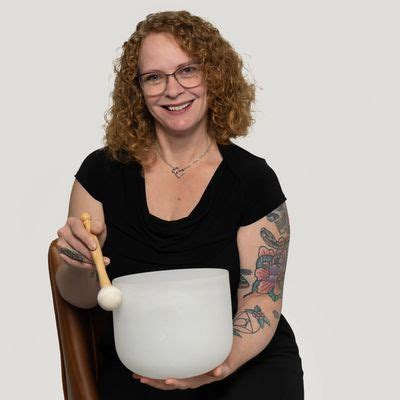
Discover how Soul Transition is helping families navigate the end-of-life journey with compassion and care. Jennifer, a compassionate death doula & founder of Soul Transition, shares her approach to guiding families through life’s final chapter. With a focus on emotional, spiritual, and practical support, Jennifer’s work ensures that each person’s journey is met with dignity, comfort, and peace. From dementia care to grief support and end-of-life planning, Jennifer provides holistic care that addresses the needs of the whole person and their loved ones.
Jennifer McCrae, End Of Life Doula
What is a Death Doula?
A death doula is someone who offers emotional, spiritual, and practical support to individuals and families at the end of life. It’s more than just providing comfort it’s about creating a meaningful, peaceful environment during a difficult time.
The Origins of the Doula
The term "doula" originally referred to someone who supported both birth and death, guiding families through the full circle of life. Today, we have a clear distinction between birth doulas and death doulas, each specializing in different life transitions.
Why Did You Decide to Become a Doula?
Jennifer became a death doula after her own healing journey through unexpressed grief. She realized that to process grief healthily, people need a supportive environment around death. "I didn’t want others to go through what I went through," she explains in the video. Jennifer’s mission is to help others navigate grief and death with peace, creating space for open conversations and healing.
Who Typically Reaches Out for Soul Transitions Support?
Jennifer explains that most people call when the individual, or a loved one, is given a terminal diagnosis. Some of the typical scenarios include:
New diagnosis: Whether it is cancer, dementia, Alzheimer's, or another terminal condition, families call Jennifer to find out how she can help.
First call: Many people call simply to explore the options that are available, such as what Jennifer can assist them with and what else may be provided at no charge.
Information and referral: Often, the first action is merely to provide information, such as connecting families with other resources and services that can offer assistance.
When Should You Reach Out to a Death Doula?
Jennifer shares that most people reach out when diagnosed with less than six months to live, prompting families to start planning. It’s been about 50/50, with both the diagnosed person and their family seeking support. Jennifer also helps families through the grieving process, offering emotional guidance and support during this difficult time.
How Does a Death Doula Support Grief, and What Makes It Different from Therapy?
Jennifer’s approach to grief support goes beyond traditional therapy. With a background in yoga, meditation, and energy work, she incorporates breathwork, movement, and soul flow grief yoga into her sessions. She also emphasizes the importance of nutrition and holistic care, recognizing that everyone’s grief is unique. Jennifer tailors each grief plan to the individual, ensuring that emotional, physical, and spiritual needs are addressed, creating a comprehensive, hollistic approach to healing.
How Soul Transitions Can Assist with Dementia Care
Jennifer’s certified dementia care provider training allows her to understand the unique and often overlooked grief that both individuals with dementia and their families experience. In the video, she explains how dementia grief is different from other types of grief, as it involves both the person living with dementia and the caregivers. Jennifer works closely with families to create caregiver care plans, ensuring that caregivers, who are often family members balancing work and personal life, have the support they need to prevent burnout. These plans help caregivers maintain their own well-being while navigating the challenges of supporting a loved one with dementia.
Goals and Outcomes of Dementia Care Support
Jennifer’s goal in supporting dementia care is to help families manage the physical and emotional strain of caregiving, while also preserving the deep bond they share with their loved one. In the video, she shares her approach to alleviating caregiver fatigue and preventing burnout, allowing families to continue seeing the beauty in the person they love, despite the changes caused by dementia. By focusing on maintaining that connection and offering tailored support, Jennifer ensures caregivers can preserve the bond they had before, without feeling overwhelmed.
What Would a Session Actually Look Like?
Jennifer explains that each session with a death doula is tailored to the individual’s needs. Sessions can range from one-time consultations to ongoing support depending on what the person and their family need. The focus could be on end-of-life planning, providing emotional comfort, or guiding families through funeral arrangements. In the video, Jennifer highlights that her role is to create a safe, calming space where families can process their emotions, ask questions, and feel supported during a challenging time.
How Do You Work to Build Your Trust with the Families You’re Working With?
Trust is a major part when serving as a death doula. To help families feel at ease, Jennifer offers a free consultation, giving them the opportunity to learn about Jennifer’s background and approach.
To help others feel even more at ease, some families request things like insurance background checks. Jennifer is always more than willing to share that level of openness, so that families can feel comfortable with their decision.
By taking only a few clients, Jennifer is more focused on the quality rather than the quantity, which allows her to give every family adequate time and attention. Her availability is also a part of integral components families like being available and committed by Jennifer, which are the pillars of trust and a strong relationship.
Overcoming Hesitation to Work with a Death Doula
Jennifer acknowledges that society doesn’t often talk about death, focusing more on prolonging life. She encourages those hesitant about engaging with a death doula to consider shifting the focus from the length of life to the quality of life.
In the video, Jennifer emphasizes that it's important for families or individuals to feel comfortable with the process. If someone is unsure, there's no pressure to move forward. Jennifer’s role is to provide a safe, non-judgmental space for conversation, ensuring that anyone seeking support feels at ease and respected in their decision-making.
What is a Death Room?
A death room is a personalized space where an individual can pass away in peace, surrounded by comfort and dignity. Jennifer explains in the video that a death room is about creating an environment tailored to the person's wishes. This could include choosing things like the type of blanket silk or cotton what you want to wear, who you want around you, and even what you want the room to smell like. It’s about making sure the final moments are as peaceful and meaningful as possible for both the person and their loved ones.
Why Might Someone Want to Set Up a Death Room?
The concept behind a death room is simple: it’s about creating an environment that reflects the person’s wishes for their final moments. As Jennifer states in the clip below, "It’s your life, so it should be your death." A death room allows individuals to decide how they want to leave this world, focusing on what they want to hear, smell, and experience during their final moments. It’s about fulfilling their desires and ensuring that their passing is on their terms, surrounded by the comforts they choose.
From a spiritual and energetic perspective, Jennifer believes that having control over this space helps the soul peacefully leave the body, providing a sense of peace for both the person and their loved ones.
To learn more about how Soul Transitions can support you or your loved ones through the end-of-life journey, visit Soul Transitions
Discerning Seniors, founded by Lori Germain and Leigh Merlo, works to simplify the aging-in-place process for older adults. The duo helping seniors navigate the challenges of aging. Learn more about the meaning and implications behind their work.
How did Discerning Seniors Get Started?
Discerning Seniors was founded due to a perceived need in the senior care space discovered by co-founder and President, Lori Germain. Germain had personal experience with her late mother-in-law, who had fallen and injured herself. The hospital discharge and rehab process became a six-month ordeal. That experience highlighted a serious gap; families needed help understanding their options and making confident decisions. What started as helping others through similar situations grew into a formal service. With support from co-founder Leigh Merlo, Discerning Seniors has spent the last 10 years empowering seniors and their families with personalized support.
What services does Discerning Seniors provide?
Discerning Seniors started out being known as "Rent-a-Daughters". It was a name that captured the heart of their mission, stepping in with hands-on support and compassion when families need it most. Whether a loved one is starting to need more day-to-day help or facing a sudden health transition, Discerning Seniors guides families through every step of the aging journey.
Their approach is completely personalized. Instead of pushing one-size-fits-all solutions, they listen first, understanding each family's unique situation and needs before sourcing and recommending trusted services. From finding the right caregiver or retirement home to coordinating complex care needs and navigating family dynamics, Discerning Seniors offers a bespoke experience built around trust, clarity, and peace of mind. Whether it's a single recommendation or full-service process, they’re here to help you answer some big questions: Who can we trust? Where do we start?
How did you learn to guide families through senior living and retirement?
The foundation of Discerning Seniors’ expertise came from working closely with their first few clients, each with unique needs. From the start, the team invested time in meeting service providers, asking questions, and truly understanding how each business operates. The meetings, coupled with the hands-on research, built a trusted network and a clear sense of which options are right for which families.
Beyond professional experience, both Germain and Merlo bring lived experience. As parents, caregivers, and adults who’ve managed the complexities of raising children while supporting aging parents, they approach each client with empathy and real-world insight. It’s this combination of professional diligence and personal understanding that sets Discerning Seniors apart.
What to expect working with Discerning Seniors?
The process begins with something simple but powerful: listening. At Discerning Seniors, everything starts with a conversation to understand your needs, goals, and challenges. With years of experience and knowledge of available services, they act as matchmakers, connecting you with the right solutions.
After an initial consultation, they outline a personalized scope of work and present a clear proposal based on hourly planning rates. The fee depends on the complexity of your situation and the services involved, but they're fully transparent from the beginning. You’ll know exactly what to expect, with no additional costs or surprises.
They can also go further and coordinate services on your behalf. From caregiver recommendations to locating the right retirement or respite options, they handle the details with care. They also identify needs you may not have thought of, such as vision support, dance therapy, or hearing assessments, to enhance one’s quality of life.
When should I start looking at retirement homes?
In high-demand areas like Toronto, retirement home availability is limited, and many families find themselves on waitlists. The organization helps families think beyond availability and pricing, which tends to be similar across major retirement homes such as Chartwell, Amica, and Verve. Instead, they guide clients to focus on fit: What’s the culture like? Would your loved one make friends and feel at home?
Tours are essential, and so is matching clients with an environment where they can thrive. Retirement homes today offer excellent standards of care, but what truly makes the difference is whether someone feels like they belong. That’s where their insight, connections, and experience come into play.
What to think about before touring a retirement home?
Before you start touring retirement homes, it’s important to have a clear sense of what truly matters, beyond amenities or availability.
Location and Proximity to Family
Most people begin their search based on geography, and for good reason. Being close to family makes regular visits easier and helps preserve emotional connection and support.
Cultural and Language Fit
Culture can play a huge role in comfort and well-being, especially for seniors with memory issues or for whom English is a second language. A retirement home that reflects a resident’s cultural background can make all the difference in helping them feel at home.
Care Needs and Services
Ensuring that the retirement home offers the appropriate level of care for today, and the flexibility to adjust as needs change. Some residences focus on independent living, while others are better equipped for assisted or memory care.
Community Cohort and Lifestyle Fit
One of the most overlooked considerations is cohort, which includes lifestyle, activity level, and general stage of life. Some are still very independent, while others are looking for social interaction. Choosing a home with peers at a similar point in their life journey is essential to feeling like they belong.
What might some people overlook during a retirement home tour?
When touring a retirement home, the most important insights usually come from what you see, hear, and feel. Discerning Seniors always encourage families to look beyond the surface and ask the right questions, while also paying close attention to the environment itself.
What does the space feel like?
Are the existing amenities being used?
Do staff interact genuinely with residents?
What’s the social and cognitive cohort like?
How is memory care handled?
What should I ask about on a retirement home tour?
A retirement home tour is an opportunity to experience what daily life could feel like for your loved one. One of the most important things to request is a meal in the main dining room, not a private space reserved for guests. This allows you to observe both the quality and variety of the food, but also the atmosphere. Are residents engaged and enjoying themselves? Do the staff interact warmly and respectfully? Food is a central part of retirement living, and many homes are responsive to dietary needs and resident preferences. Some even have resident-run food committees that influence menus..
During a tour, it could be helpful to pay attention to how the dining room is run. Staff engagement is a powerful indicator of the home’s culture. Are team members greeting residents by name? Are they offering choices and responding quickly to individual needs? Residents expect and deserve the best, which makes the food quality vital. When staff are happy, residents tend to be as well, so do not underestimate the value of observing this space in action.
What are some misconceptions about retirement homes?
A misconception is not understanding the difference between a retirement home and a long-term care (LTC) home. Many families only start researching when a crisis hits, which makes the options feel overwhelming. Retirement homes are private-pay residences offering various levels of independence or support, while long-term care homes are government-subsidized and more clinical, designed for individuals with high medical or care needs. Knowing this distinction is essential for choosing the right path. Another overlooked factor is that retirement homes can often tailor care and support more than people realize, but only if families communicate clearly.
Another important thing to note is that the best results come when families view the staff as partners in care. Open communication is key. Hiding a loved one’s needs or not disclosing concerns often leads to stress for everyone involved. Discerning Seniors encourage clients to be upfront from day one, even if it means arranging more care than seems necessary. It’s easier to scale back than to scramble later. Setting up the correct support system from the beginning increases the chances of a smooth transition.
Learn more about how Discerning Seniors is helping families navigate challenging public and private care offerings and services to Canadian seniors. More information can be found on their website – Discerning Seniors
Reconnecting Families Through Culture and Storytelling
Learn how Root & Seed is making it easier for families to rediscover and preserve their heritage through powerful conversations. In this episode of the Elderado podcast, co-founder Anika Chabra shares the story behind their mission to help people document family traditions, recipes, and stories before they fade away.
Jennifer Siripong Mandel on the left and Anika Chabra on the right
What is Root & Seed?
Root & Seed was born from a personal journey to reconnect with cultural identity. Co-founded by Anika Chabra and Jennifer Siripong Mandel, the platform empowers families to preserve their traditions, stories, and heritage through meaningful conversations helping a new generation document their roots and carry them forward.
Why Unlocking Family Stories Matters
Every family has a story worth telling but too often, those stories are only shared when it’s too late. In this heartfelt clip, Root & Seed co-founder Anika Chabra explains why we need to have these conversations now while we still can.
How Do I Introduce Root & Seed To My Family
Anika encourages those taking the lead to approach it with compassion and openness. As the "kinkeeper," your role is to create a safe, welcoming space. It’s not about forcing a conversation it’s about inviting one in a way that feels natural and respectful.
Why It’s Not Always Easy to Talk About the Family history
Sharing family history isn’t always easy. For many, these conversations bring painful or bitter memories experiences tinged with loss, or trauma. Some elderly are hesitant to share because they do not want to transfer that emotional weight to the younger generation. This silence, as Anika Chabra explains, develops as a result of:
A desire to protect younger generation from triggering or heavy stories
The emotional burden of experiencing moments associated with loss or displacement
Root & Seed offers a safe, aware space for these stories to be shared
Turning Conversation Into Connection
When it comes to preserving culture, knowing where to start can be the hardest part. That’s why Root & Seed created their signature conversation cards a simple, powerful tool designed to spark meaningful conversations across generations.
These aren’t just prompts. They’re carefully curated questions that help families reflect, remember, and reconnect. Whether you’re gathered for dinner, visiting grandparents, or video calling loved ones abroad, the cards make it easier to share stories that matter.
Root & Seed conversation cards
Crafting Questions That Truly Connect
The prompts on Root & Seed’s conversation cards are the result of intentional, collaborative work. Anika Chabra shares how she and her team partnered with cognitive linguists, journalists, and cultural advisors to ensure every question invites reflection, connection, and care.
These aren’t just casual conversation starters they’re designed to open doors. Each one is shaped to help people feel seen, heard, and safe to share, whether they’re reminiscing about joyful traditions or navigating difficult memories.
Designed for Every Kind of Gathering
Anika Chabra explains that while the cards work beautifully in intimate, trusted settings, they’re just as effective in mixed groups. It's all about reading the room and choosing the right tone for the moment. Some prompts invite deep personal stories, while others spark light, joyful memories.
There’s no “right” way to use them. The real value lies in the openness they create whether it’s between generations, across cultures, or among friends discovering each other’s roots for the first time.
Making Storytelling Fun
Some families have found creative ways to make the experience more engaging turning the cards into games or challenges to get everyone involved. Anika shares how gamifying the process helps spark curiosity, keep the energy light, and make storytelling something to look forward to.
Creating the Right Environment
Holidays can be a natural time to use the cards they add depth to gatherings and can even become part of family traditions. But Anika also acknowledges that holidays can be emotionally charged for some, especially if stories bring up difficult memories. For those families, Anika recommends one-on-one moments like car rides or walks where you're not looking each other in the eye. Looking out at the road or horizon can make it easier to connect and share.
Cards For Every Voice
The Women’s Day Expansion Pack isn’t just for women or just for family use. Anika explains it’s for anyone of any gender, culture, or background who wants to engage in meaningful conversations. It’s been used in settings like networking events, with people both inside and outside the family, making it a truly inclusive tool.
A Platform for Culture-Seekers
Root & Seed was built as a flexible platform to meet people wherever they are in their journey. Some are ready to share stories, others just want to be inspired and that’s why the team offers podcasts, blogs, digital tools, physical cards, and in-person events. It’s all designed to support culture seekers, tradition holders, and kinkeepers as they reconnect with their roots.
Stories That Inspire the Mission
Anika reflects on the heartfelt messages Root & Seed receives from users stories of reconnection, healing, and gratitude. These moments are what keep the mission alive and remind the team why they started this journey in the first place.
The Traditions That Keep Us Grounded
Anika, proudly calling herself her family’s “kinkeeper,” shares how tradition provides comfort in a chaotic world. In a time full of uncertainty, she believes that consistent rituals no matter how big or small help ground children and give them a sense of belonging. One tradition she hopes to carry on? Family karaoke nights, where they sing, laugh, and connect through music.
Discover how Root & Seed helps families preserve culture, traditions, and stories through conversation tools, podcasts, and meaningful connection. Root & Seed
If you're picturing your living room couch or the local clubhouse, think bigger. At some retirement homes in Ontario you can bring the Masters experience to a whole new level-with golf simulators, on-site pubs, and big screens perfect for following every shot at Augusta while taking a few swings of your own..
At Parkland Ajax, residents there aren't just watching the Masters – they can step up to the tee themselves thanks to the golf simulator inside the pub. Shannon’s Pub, in the heart of the community, also features billiards, poker, and cozy spots to watch every shot from Augusta.
Retirement Living in Ontario Is Changing
Forget the outdated image of retirement homes. Across Ontario, retirement residences are redefining senior living. These communities are active, social, and designed for people who want to keep enjoying the things they love – whether it's golf, gardening, fitness, food, puzzles, or pub nights.
Are Golf Simulators Common in Ontario Retirement Homes?
Not every retirement home has a golf simulator, but more and more Ontario retirement communities are embracing active living. From on-site movie theatres to indoor gyms and even rooftop putting greens, seniors now have access to amenities that reflect their interests and lifestyles.
At Elderado, we make it easy to explore these options. You can search and compare retirement homes across Ontario based on the features that matter to you to find the right home for your needs.
Looking for an Active Ontario Retirement Community?
If you're a golfer—or just someone who enjoys a good pint and great company—there’s a retirement home in Ontario that fits your lifestyle. Elderado is a free resource to help families find and compare retirement homes across the province. Whether you're planning ahead or navigating a more urgent transition, we’re here to help.
Start your search today, and discover a new side of retirement living.
April 1, 2025 is National Caregiver Day in Canada – a day to recognize the caregivers who provide vital support to aging parents, spouses, friends, and family.
Whether you're helping a parent with dementia, supporting a spouse through illness, or coordinating care for a grandparent, your work matters. Unpaid caregivers keep our healthcare system afloat in Ontario and across the country. Without their energy, love, and sacrifice our healthcare system simply wouldn't function.
Support for Caregivers in Ontario
At Elderado, we work every day to make elder care easier to navigate. That includes supporting the people who provide care – often without pay, training, or time to rest.
Caregiving is always going to be hard. But there's things things we can fix – and that's what we're trying to do. We believe it should be straightforward for families to be able to nagivate and compare elder care options, and be confident they found the best care for their care needs, preferences, and budget.
A Free Coffee for 100 Caregivers ☕
To celebrate National Caregiver Day 2025, we're buying a coffee for 100 caregivers in Ontario.
If you’re caring for a parent, grandparent, spouse, sibling, friend or other family member – formally or informally – fill out the form below. We’ll send you a Tim Hortons gift card and a note of thanks.
In Canada, millions of people are unpaid caregivers – supporting loved ones through aging, illness, or disability. But so much if this work is invisible, and undervalued.
Over 1 in 4 Canadians aged 15+ provide unpaid care to a family member or friend.
Many caregivers juggle full-time jobs, parenting, and caregiving responsibilities.
Caregiving is emotionally and physically demanding, with real impacts on mental health.
Today is about more than gratitude – it's about visibility, recognition, and change.
Tools to Make Elder Care Easier
If you're navigating elder care in Ontario, Elderado can help. We’ve built a free platform to:
Compare retirement homes and long-term care options
Filter by location, care services, language of care, or starting prices
Video inspection reports, ratings, video tours, sample menus, and more
The senior care industry in Ontario wouldn’t function without the dedication, skill, and compassion of women. Across long-term care and retirement homes, women are the backbone of the sector, making up the majority of personal support workers (PSWs), nurses, and social workers who provide daily care and life-enhancing services to older adults.
Did you know?
96% of personal support workers in Ontario are women.
91% of nurses in the province are women.
87% of social workers—who provide crucial emotional and practical support—are women.
These professionals don’t just show up for work; they show up with empathy, resilience, and a deep commitment to the well-being of seniors.
Beyond Caregiving: Women Driving Innovation in Senior Care
While frontline caregiving is essential, women are also the visionaries behind transformative initiatives in the senior care space. They are leading innovations that improve the quality of life for older adults in Ontario:
🔹 Tina Mavriyannakis, Founder of The Smile Room – A champion for senior oral health, Tina is ensuring thousands of older adults have access to much-needed dental care, preventing pain and serious health complications.
🔹 Mallory McGrath, Founder of Viive Planning – Estate and end-of-life planning can be overwhelming, but Mallory is changing the conversation and approach, making it easier for families to prepare for the future with dignity and clarity.
🔹 Jennifer McCrae, Founder of Soul Transitions – Helping families navigate grief and end-of-life transitions, Jennifer provides support and guidance during some of life’s most difficult moments.
These women are reshaping how we think about aging, caregiving, and the end-of-life journey. Their work ensures that seniors receive the respect, care, and support they deserve.
The Strength of Women in Senior Care
Despite the progress society has made, one truth remains: when it comes to answering the call for strength, compassion, and leadership in senior care, women step up—again and again.
From the PSWs providing hands-on care to the entrepreneurs revolutionizing elder services, women continue to drive meaningful change in Ontario’s long-term care and retirement home sectors.
Celebrating Women in Senior Care
On this International Women’s Day, let’s take a moment to recognize, support, and celebrate the incredible women who are making a difference in the lives of seniors. Their work is not just essential—it’s life-changing.
They show up during some of life’s toughest moments—offering support, guidance, and sometimes just a reassuring presence when things feel impossible. And yet, they rarely get the appreciation they deserve.
Well, we’re here to change that—one handwritten letter and one Tim Hortons gift card at a time!
We’re sending 100 handwritten letters, each with a Tim Hortons gift card, to 100 amazing social workers. And the best part? YOU get to decide who gets them!
How It Works (Super Easy, We Promise!)
If you know a social worker who deserves a little surprise in their mailbox, here’s what to do:
Fill out the form with the name of a social worker you want to nominate.
Don’t know their name? No stress—just tell us where they work, and we’ll do our best detective work to find them.
The first 100 names submitted will get a handwritten letter and a Tim Hortons gift card. Boom. Instant day-maker!
Why Are We Doing This? (Because Social Workers Are Awesome!)
Let’s be real—social workers do some of the hardest, most heartwarming, and most emotionally intense jobs out there. They help people through life’s messiest moments, and they do it all with way too little recognition (and probably way too much caffeine ☕).
A simple letter and a cup of coffee won’t change the world, but it might just brighten someone’s day. And honestly, if there’s anyone who deserves a little surprise appreciation, it’s a social worker.
The Magic of a Little ‘Thank You’
Did you know that feeling appreciated makes people happier, less stressed, and more motivated? True story. And in a field like social work—where burnout is way too common—a little unexpected kindness can go a LONG way.
That’s why we’re inviting YOU to be part of this mission. Let’s make sure 100 social workers feel the love!
Be a Part of This Feel-Good Movement! 🚀
We won’t stop until 100 social workers have received a well-deserved thank-you. But we need your help to make it happen!
⏳ Deadline: Until we reach 100 names or March 9th, 11:59 PM 📢 Share this post! Send to a friend, a coworker, or someone who knows a social worker who deserves this surprise.
A small act of kindness can go a long way—so let’s do this! 💌☕